Category: Blog

  • Cold House but Furnace Is Running

    Cold House but Furnace Is Running

    You hear the furnace kick on, the fan runs, and the thermostat still sits there like it’s ignoring you. Some vents may even blow air that feels cool. It’s a common winter headache, and it often comes down to a simple safety feature called the high-limit switch.

    When airflow gets blocked, the furnace can overheat and shut the burners off to protect itself. A few checks are DIY-friendly, but safety comes first. If you smell burning or see repeated shutdowns, stop and call a pro.

    Why the Furnace Runs but the House Stays Cold (High-Limit Shutdown in Plain English)

    A furnace needs steady airflow to carry heat away from the heat exchanger and into your rooms. If that airflow drops, heat builds up inside the furnace cabinet instead of moving through the ducts. When the temperature rises too high, the high-limit switch steps in and shuts off the burners.

    Here’s the confusing part: the blower can keep running even after the burners shut down. So it sounds like the furnace is “on,” but you’re getting cooler air because you’re only feeling the fan, not active heat. The furnace may restart a few minutes later, then shut down again. That stop-and-start pattern wastes fuel and leaves the house cold.

    What a high-limit switch does, and why it shuts off the burners

    The high-limit switch is a safety control that prevents overheating. Homeowners usually notice one of these patterns:

    • The air starts warm, then turns lukewarm or cool.
    • The furnace fires, stops, then fires again (short cycling).
    • The system runs a lot but never catches up to the set temperature.

    Quick signs it is airflow related, not a thermostat problem

    Airflow problems leave clues you can feel and see:

    • Weak airflow at several vents
    • Many supply vents closed (even one or two can matter in some homes)
    • A filter that looks dark or packed with dust
    • The furnace cycles every few minutes
    • Big temperature gaps between rooms

    A dead thermostat, wrong mode, or low batteries usually means the system doesn’t call for heat at all, not a repeated on-and-off burn cycle.

    The Top Airflow Problems That Trip the High Limit Switch

    Dirty air filter, the most common cause and the easiest fix

    A clogged filter chokes the airflow, so the heat exchanger area heats up fast and trips the limit. Quick test: hold the filter up to a light. If very little light passes through, replace it.

    Most homes need a new filter every 1 to 3 months. Change it more often with pets, remodeling dust, wildfire smoke, or heavy run time. Also watch high-MERV filters, they can restrict airflow if your system isn’t built for them or if they’re left in too long.

    Blocked supply vents and return grilles (the hidden airflow killers)

    Closed vents, rugs over floor returns, and furniture blocking returns can starve the furnace for air. Dirty return grilles also add drag. Keep vents open even in unused rooms, and leave clear space around returns. Blocking returns is often worse than blocking supplies.

    Step-by-Step Checks You Can Do Today (Safe, Fast, and Low Cost)

    Before opening panels or changing a filter, set the thermostat to off and shut off furnace power at the switch or breaker.

    A quick airflow checklist to stop short cycling and cold air

    1. Replace the air filter.
    2. Open all supply vents.
    3. Uncover all return grilles and vacuum dusty grates.
    4. Look for crushed or kinked flex duct in accessible areas.
    5. Listen for loud whistling at returns, it can signal restriction.
    6. Restore power and run heat again (only if your manual allows a simple power reset).

    If the filter gets dirty fast, you may have dust sources, duct leaks, or overdue maintenance.

    When to call us

    Call now if there’s a burning smell, repeated shutdowns after a new filter, a very hot cabinet, error codes, no airflow (possible blower issue), or concern about a cracked heat exchanger.

    Say: “Possible high-limit trips due to airflow restriction. Please check static pressure, blower, evaporator coil, duct restrictions, and limit switch operation.”

    Conclusion

    A cold house while the furnace “runs” often means the burners are shutting off on high limit to prevent overheating. In many homes, the cause is simple: a dirty filter or blocked vents and returns. Start with a filter change and a quick airflow walk-through. If the problem keeps coming back, get it diagnosed, safety controls trip for a reason and should never be bypassed.

  • How Seasonal Allergies Impact Your Home Air System

    How Seasonal Allergies Impact Your Home Air System

    Each year, seasonal allergies seem to creep inside, even when we try to keep our homes sealed tight. Pollen, mold spores, dust mites, and pet dander don’t just stay outside; they find their way indoors, settling right into your home’s air system. For families with allergies or asthma, these tiny invaders can cause sneezing, itchy eyes, coughing, and trouble breathing right where you should feel safest.

    Knowing how these allergens move through your home’s vents and rooms makes a big difference for your family’s comfort and health. Keeping your indoor air as clean as possible isn’t just about relief—it protects everyone, especially kids and anyone sensitive to airborne triggers.

    What Are Seasonal Allergies and Indoor Allergens?

    As allergy season rolls in, many notice their homes don’t feel as safe from sneezing and itchy eyes as they’d hope. Seasonal allergies happen when your immune system reacts to tiny particles in your environment. Most people think of the outdoors, but many of these allergens end up in your indoor air as well. Once inside, they can settle into fabrics, vents, and all the places we relax, often without us even knowing.

    Seasonal Allergies: The Basics

    Seasonal allergies are triggered by things like pollen that fill the air during certain times of the year, mainly spring and fall. When trees, grasses, and weeds start releasing pollen, those particles travel on the wind. Molds also thrive when it’s wet and warm outside, spreading their spores with every breeze.

    For those sensitive to these particles, the body sees pollen and mold spores as threats. Your immune system releases chemicals like histamine, which cause symptoms:

    • Sneezing or coughing
    • Runny nose
    • Itchy or watery eyes
    • Scratchy throat

    These symptoms often ramp up when outdoor allergen levels are high, but they don’t stay outside.

    Common Sources of Indoor Allergens

    Even if you do your best to shut pollen and mold out, several allergens can linger and build up indoors. Some of the most frequent indoor culprits include:

    • Pollen: Travels inside on shoes, clothing, pets, and through open windows and doors.
    • Mold Spores: Grow in damp spots like bathrooms, kitchens, and basements, then release spores into the air.
    • Dust Mites: Live in bedding, furniture, and carpets, feeding on dead skin cells and thriving in humidity.
    • Pet Dander: Tiny flakes of skin and hair from cats and dogs get into air vents, carpets, and even on walls.
    • Cockroach Droppings: In some homes, allergens from cockroach saliva and waste can become airborne.
    • Houseplants: While usually less of a problem, some plants or their soil can trigger mold growth indoors.

    Here’s a quick reference table to break down common allergens and where they tend to hide:

    AllergenCommon Indoor SourcesPeak Seasons
    PollenShoes, clothes, open windowsSpring, Fall
    Mold SporesBathrooms, kitchens, basementsDamp, humid times
    Dust MitesBedding, sofas, carpetsYear-round
    Pet DanderPets, furniture, carpetsYear-round
    CockroachKitchens, hidden cracks, basementsYear-round

    Note: Even if you think your home is spotless, dust mites and pet dander are almost always present.

    How Allergens Get Inside and Spread in Your Home

    Airborne allergens are sneaky. Pollen doesn’t just float around outside; it catches a ride inside on clothes, shoes, pets—sometimes even on a slight breeze through an open door. Mold spores find their way indoors when windows are open or when they hitch a ride on moisture and humidity.

    Once these particles make it in, your home’s air system can pull them into vents, circulate them room to room, and deposit them on every surface. This means your HVAC units, air filters, and general airflow can move allergens far beyond their point of entry. Carpets, curtains, and even your bed start to act as reservoirs, holding allergens until the next big sneeze sends them flying once again.

    With lots of triggers collecting inside, your symptoms might flare up at home even when you aren’t spending time outdoors. Regular cleaning and smart air system habits are the first line of defense. Keeping allergens in check starts with knowing how they sneak in and where they like to settle.

    How Seasonal Allergens Get Into and Circulate Through Your Home

    Seasonal allergens don’t politely knock at the door and wait for an invitation; they sneak in undetected. Pollen, mold spores, and other irritants ride in on breezes, family members, and pets. Once inside, your home’s air system, ductwork, and humidity levels set the stage for either a sneeze-free sanctuary or a zone filled with allergy triggers.

    Air Filters and Ductwork: The First Line of Defense

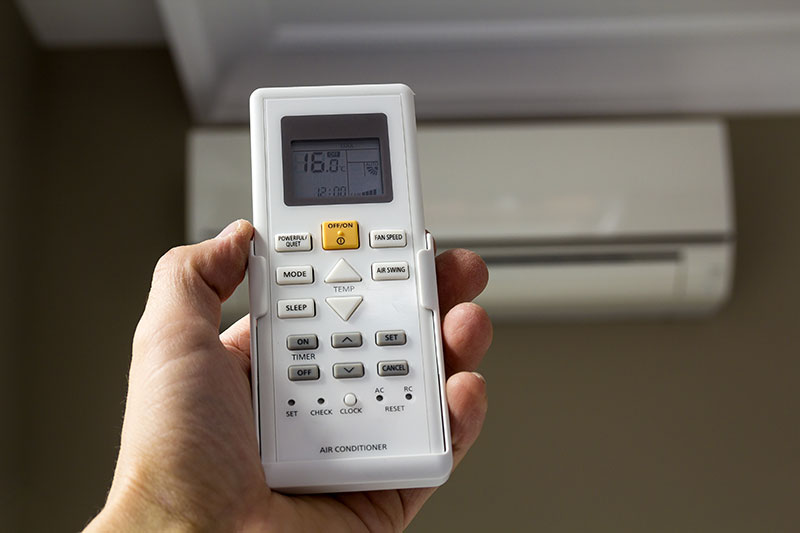
    Close-up of a man using a remote to control air conditioning indoors.
    Photo by Jakub Zerdzicki

    HVAC filters do much of the heavy lifting when it comes to trapping airborne particles. As air circulates through your system, filters grab pollen, dust, mold spores, and pet dander, capturing them before they can settle on your furniture or enter your lungs.

    When filters get clogged during allergy season, their ability to stop allergens drops fast. Dirty filters can even become a breeding ground for mold and bacteria, worsening indoor air quality. Swapping them out every 1 to 3 months, especially in peak pollen months, keeps your air cleaner and makes your HVAC system work more efficiently.

    Don’t forget about your ductwork. If ducts are coated with dust, pet dander, or hidden mold, they distribute those particles every time the AC or heater clicks on. This keeps your symptoms flaring long after you close the windows and doors. Hiring a professional to clean your ducts, or at least inspecting them yearly, helps pull trapped allergens out of circulation.

    Here’s why it’s essential to pay attention to your air system during allergy season:

    • Filters protect air quality by catching the small stuff that slips through windows and doors.
    • Clogged filters and ducts let particles bypass your system’s protection, making air symptoms worse.
    • Regular maintenance boosts efficiency and helps prevent new allergen buildup in your system.

    Humidity and Mold Growth

    Hidden moisture isn’t just bad for building materials; it feeds dust mites and mold, both big allergy triggers. Keeping your home’s humidity between 30% and 50% puts a damper on their growth.

    Too much moisture lets mold grow on walls, inside vents, and under carpets. Even if you can’t see it, spores may be floating around, working their way into your nose and lungs. On the flip side, dust mites thrive in damp homes and burrow into mattresses and fabric.

    You can manage humidity in a few simple ways:

    • Use dehumidifiers in damp spots like basements, bathrooms, or laundry rooms.
    • Run exhaust fans after showers or while cooking.
    • Set up a smart thermostat to help maintain consistent humidity and airflow.
    • Fix leaks quickly to stop water from gathering where mold might grow.

    If you don’t already have one, a humidity monitor is an easy way to make sure your levels stay in check. When you keep the air drier, it’s easier to breathe and much harder for allergens to find a foothold.

    With the right balance and routine, you turn your home into more of a safe haven instead of an allergy magnet.

    Effective HVAC Maintenance to Minimize Allergens

    Allergy season puts your home’s air system to the test. While you can’t block every particle from getting inside, regular HVAC care helps keep allergens like pollen, dust mites, and pet dander out of the air you breathe. Well-maintained systems trap more particles, run smoother, and help everyone breathe a little easier. Let’s look at some smart cleaning habits, and simple changes you can make, to lower indoor allergens.

    Smart Cleaning and Prevention Strategies

    Keeping allergens at bay is all about habits that stop particles from settling and spreading. Here’s how you can tackle the biggest hot spots in your home:

    • HEPA Vacuuming: Use a vacuum with a HEPA filter once or twice a week. HEPA filters trap much smaller particles than regular filters, grabbing up pollen, dust mites, and pet dander instead of just sending them back into the air.
    • Damp Dusting: Wipe down surfaces with a damp cloth instead of a dry one. This prevents allergenic particles from floating back into the air as you clean.
    • Bedding and Stuffed Toys: Wash sheets, pillowcases, and soft toys in hot water—130°F or hotter—at least once a week. Hot water kills dust mites and washes away their waste, which is a common trigger for allergies.
    • Allergen-Proof Covers: Cover mattresses and pillows with allergen-proof (dust mite-proof) covers. These tight-woven cases block mites and trap particles before you can breathe them in while you sleep.
    • Pet Rules: If someone in the family has allergies, keep pets out of bedrooms and main sleeping areas. Giving your pets regular baths and grooming helps, but keeping their favorite nap spots off-limits works even better for controlling dander.
    • Curtains and Soft Furnishings: Wash or replace heavy drapes and fabric decor that trap dust. Opt for washable curtains, or blinds that are easy to wipe clean.
    • Declutter: Less clutter means fewer places for dust to collect. Keep knick-knacks, extra pillows, and stacks of books to a minimum in bedrooms and living areas.

    Try a combo of these strategies for the best results. For easy reference, here’s a quick checklist:

    TaskHow OftenWhy It Matters
    HEPA vacuum carpets/rugs1-2 times/weekTraps and removes fine particles
    Damp dust all surfacesWeeklyStops allergens from recirculating
    Wash bedding/toys in hot waterWeeklyKills and removes dust mites
    Add allergen-proof coversAs neededBlocks dust mite exposure
    Bathe pets/keep out of bedroomsWeeklyReduces dander in sleeping areas

    Keeping up with these steps makes your HVAC system’s job easier and keeps allergen levels in check all season long. Every little change adds up to cleaner air and fewer sniffles at home.

    New Technologies and Allergy-Friendly Solutions

    Families battling seasonal allergies now have access to smarter indoor air solutions than ever before. Gone are the days of relying only on the typical HVAC filter or a basic portable purifier. With recent innovations, it’s easier to turn your home into a safe space for even the most sensitive allergy sufferers. These tools work quietly in the background, taking much of the work out of managing allergens—and bringing some peace of mind when sniffles start to spike.

    Certified Asthma & Allergy Friendly Filters

    Not all air filters are created equal. In 2025, more homeowners are choosing filters with the “Asthma & Allergy Friendly” seal. This certification means the filter has passed tough, independent tests for trapping particles that are known triggers for allergies and asthma.

    Key highlights:

    • HEPA filtration: Captures 99.97% of tiny particles (as small as 0.3 microns), including pollen, mold spores, and pet dander.
    • Activated carbon: Removes odors and harmful gases like volatile organic compounds (VOCs), which can flare up breathing issues.
    • Easy-to-replace: Many products now come with simple installation guides and disposable designs to make changing filters quick and clean.
    • Trusted brands: Favorite certified products include Rabbit Air, LG PuriCare, and several options recommended by asthma advocacy organizations.

    If you want a tech-forward approach with peace of mind, look for this certification on your next filter purchase.

    Smart Automation for Air Quality and Humidity

    Managing indoor air now gets help from smart home integration. You don’t have to remember every little detail. New products connect to WiFi or Bluetooth, and sync with apps to make things easier. The latest systems do more than just filter—they track and adjust your air quality automatically.

    Consider these features:

    • Smart sensors: Measure not just temperature but also indoor humidity, carbon dioxide, and pollutant levels.
    • Automatic adjustments: If pollen or humidity rises, the system turns on extra filtration or lowers moisture before you notice symptoms.
    • Filter and maintenance reminders: No more forgetting when it’s time to swap your filter. Systems send alerts to your phone so you stay ahead of dust and dander buildup.
    • Voice and app controls: Change settings and check air quality from your phone or with simple voice commands, so you can focus on life, not your HVAC.

    By keeping everything in balance, smart automation keeps homes comfortable and helps keep those allergy symptoms in check.

    Whole-House Air Purifiers and Advanced Filtration

    Portable purifiers work well for bedrooms or home offices. For full-home protection, whole-house air purifiers attach directly to your HVAC system and clean air as it circulates everywhere. This helps ensure that every room—kitchen, basement, bedrooms—gets the benefit of cleaner air.

    Current features you’ll find in the best 2025 models:

    • High CADR ratings (Clean Air Delivery Rate) for fast results in large homes.
    • Multiple filtration stages combining HEPA, activated carbon, and even UV-C light for killing mold and viruses.
    • Silent operation modes and smart scheduling for undisturbed sleep and productivity.
    • Certified effectiveness by independent labs for allergy and asthma relief.

    Instead of needing a purifier in every room, a whole-house solution gets the job done while lowering maintenance.

    Quick Comparison of Key Allergy-Friendly Air Technologies

    Here’s an easy table to help you compare allergy-fighting features for your home:

    FeaturePortable PurifierWhole-House SystemSmart Automation
    Coverage AreaSmall to medium roomsEntire homeAll connected devices
    Filter TypeHEPA, carbonHEPA, carbon, UV-CSyncs with any system
    Maintenance AlertsBasic indicator lightApp, phone, emailDetailed, app-based
    CertificationMany are certifiedGrowing selectionTied to main device
    Integration LevelStandaloneHVAC-integratedFull home/environment

    Monitoring Local Pollen and Air Quality

    Staying ahead of allergen spikes just got easier. Use air quality apps and pollen tracking sites to see daily forecasts for your zip code. Many of the most popular home automation systems can tie in these forecasts to adjust your HVAC settings automatically.

    Smart tips for using local forecasts:

    • Check pollen counts each morning and try to keep windows closed on high pollen days.
    • Sync forecasts with your system: Some thermostats and smart purifiers automatically up their filtration when outdoor allergen levels rise.
    • Schedule cleaning for days with lower pollen to avoid stirring up allergens inside.

    Monitoring your local air quality helps you plan your day and keep your home’s system one step ahead of allergy season.


    With these new technologies and allergy-friendly solutions, managing home air quality in 2025 feels less like a chore and more like a win for your family’s comfort and health.

    Conclusion

    Seasonal allergies put your home’s air system to the test every year. Pollen, mold spores, and dust can easily creep into ducts and vents, making indoor air just as challenging as the outdoors for your family. Simple steps like regular HVAC filter changes, keeping humidity in check, and choosing modern, certified air purifiers go a long way toward cleaner, healthier air.

    Consistent care and adopting newer air quality solutions keep allergens from taking over your living space. Your efforts lead to more comfort, fewer symptoms, and a safer home environment.

    Take action now for you and your loved ones. A bit of ongoing attention makes every season easier to handle. If you’ve found helpful ideas in this guide, share your own tips and keep the conversation going to help others breathe easier at home. Thank you for reading!

  • How Regular HVAC Filter Changes Reduce Allergies at Home

    How Regular HVAC Filter Changes Reduce Allergies at Home

    Allergy symptoms often flare up the most when we’re inside, yet many people don’t realize their HVAC system may be part of the problem—or the solution. Tiny particles like pollen, pet dander, and dust mites slip through windows, stick to shoes, and settle on every surface in your home. If your HVAC filter isn’t up to the job, it cycles these allergens through the air you breathe every day.

    Changing your HVAC filter regularly is one of the simplest ways to keep those airborne triggers in check. High-efficiency filters, when replaced often, can trap most of the common allergy culprits before they take over your living space. For those dealing with sneezing, itchy eyes, or even asthma, these small changes can bring real relief and let you breathe easier right at home.

    Understanding Household Allergens

    When allergy triggers find their way inside, they settle in quietly and wait for the next sneeze or sniffle. Everyday living—walking across a carpet, patting a pet, or even opening a window—can stir up particles you can’t see but definitely feel. Knowing which allergens lurk in your home and how they move around is the first step to taking control of your air.

    Close-up macro image of multiple bamboo cotton swabs on a white marble surface. Photo by Kaboompics.com

    Common Indoor Allergens

    You’re not alone if you find yourself reaching for tissues at home. The most troublesome indoor allergens come from these sources:

    • Dust mites: These microscopic creatures love warm, humid spots—think bedding, carpets, and upholstered furniture. They feed on dead skin and their droppings are a major allergy trigger.
    • Pet dander: Even if you bathe and groom pets often, skin flakes, saliva, and hair can linger in every corner, making it tough for those sensitive to animals.
    • Pollen: Pollen sneaks in on clothes, shoes, or open windows. Once inside, it gets trapped in fabrics and can recirculate with every gust from your vents.
    • Mold spores: Damp basements, bathrooms, or anywhere moisture hangs out can be a prime spot for mold to grow. These spores travel through the air, especially when disturbed.

    How Allergens Circulate Indoors

    It’s easy to overlook how much movement happens in the air inside your home. Every time you fluff a pillow, turn on the heat, or even walk across the room, you set off a mini tornado of particles.

    Allergens hitch rides on tiny dust particles or moisture droplets. The HVAC system—your heating and cooling—pushes air all around, meaning these small invaders don’t stay put. Filters that are old or dirty can’t keep up, so allergens keep cycling back into the air you breathe.

    • Small allergen particles (like dust mite waste and pet dander) stay suspended for hours.
    • Larger particles (like heavy pollen or mold spores) settle until disturbed and lifted again.
    • Humidity above 50% boosts dust mite populations and helps mold thrive.

    Why Controlling Household Allergens Matters

    Allergen buildup isn’t just an annoyance—it’s a real problem for your health. Long exposure to high levels of dust mites, pet dander, mold spores, or pollen increases the risk of:

    • Stuffiness, sneezing, and itchy eyes
    • Asthma flare-ups
    • Worsening allergies over time
    • Trouble sleeping and poor concentration

    Kids, seniors, and anyone with asthma or sensitivities react even faster. Small steps, like keeping filters clean and stopping moisture buildup, help cut down on these symptoms and make the indoors a real haven—not just a shelter from the outside. Making these changes means fewer flare-ups and more days where you can actually enjoy being at home.

    How HVAC Systems Influence Indoor Air Quality

    A healthy home starts with clean air, and your HVAC system is right at the heart of that effort. HVAC units do more than just heat or cool a space—they work nonstop to filter out dust, dander, pollen, and moisture before these can build up and affect how you feel indoors. A well-maintained system balances three key things: it keeps air moving, controls moisture, and captures unwanted particles. But when filters clog or the system gets neglected, it’s like inviting those allergens back into your breathing space. Clean filters and smart upkeep turn your HVAC into a strong defense against the triggers that make allergies worse.

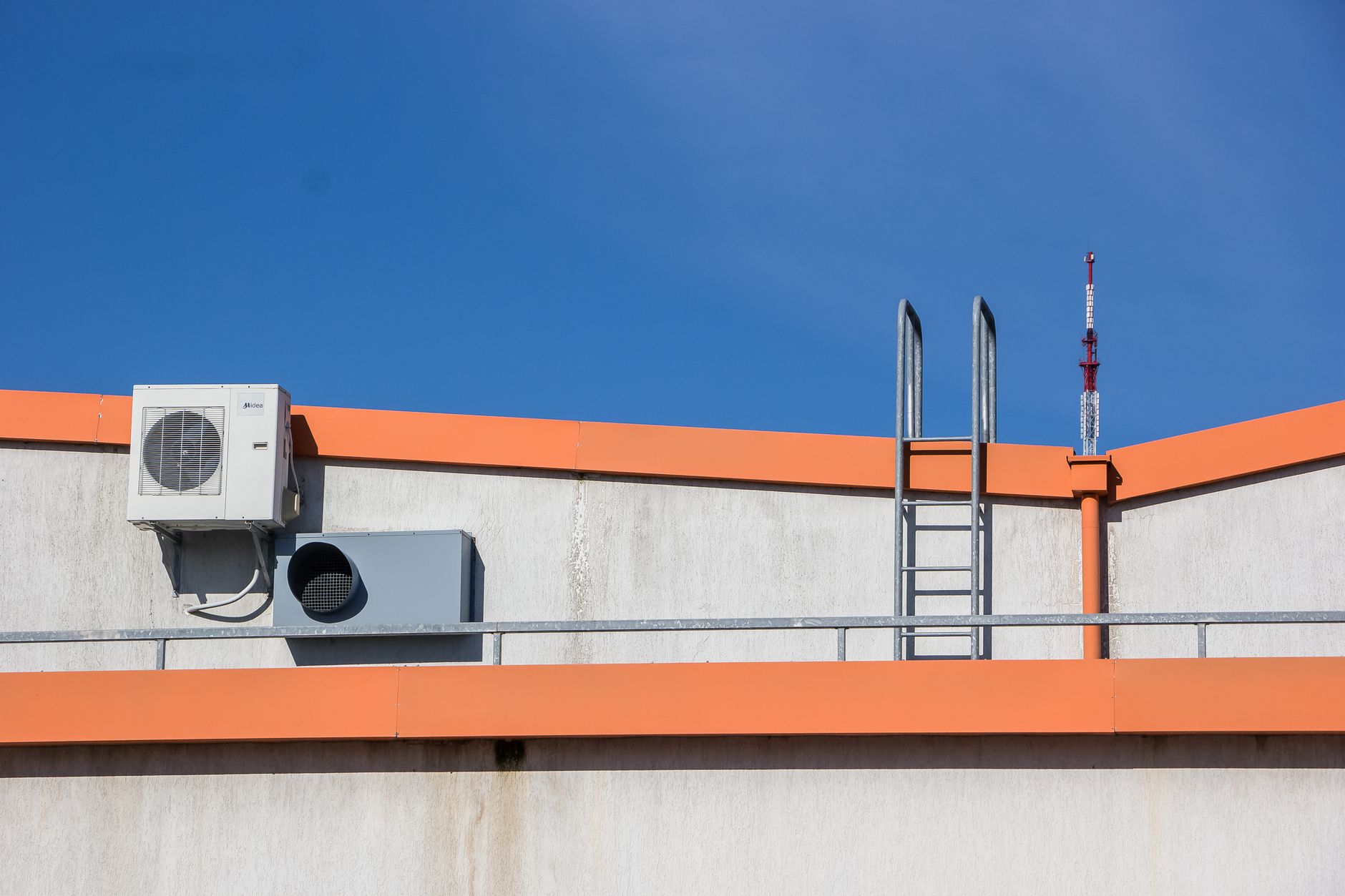
    Rooftop view with HVAC unit, ladder, and clear sky background. Photo by Alexey Baikov

    The Science of Filtration: MERV and HEPA Ratings

    Not all HVAC filters are created equal—some barely catch the big stuff, while others grab even the tiniest allergens. The main thing to look for is the filter’s rating. Most filters carry a MERV (Minimum Efficiency Reporting Value) score. The higher the number (on a scale from 1 to 16), the more particles it can trap.

    • MERV 1–4: Basic dust control; lets most allergens pass right through.
    • MERV 5–8: Catches common dust and pollen; better for homes, but not great for allergies.
    • MERV 9–12: Good for most homes; traps mold spores, pet dander, and fine dust.
    • MERV 13–16: High efficiency; blocks very fine particles, including many allergens and some bacteria.

    For people with allergies or asthma, HEPA (High Efficiency Particulate Air) filters set the gold standard. These can trap at least 99.97% of particles as small as 0.3 microns—think pollen, smoke, and even some viruses.

    Choosing a high-efficiency filter makes a big difference if allergies run in the family. These filters:

    • Block more allergens: Stop dust, dander, and pollen before they spread.
    • Help keep lungs happy: Less sneezing, coughing, and itchy eyes.
    • Reduce buildup in ducts and vents: Less fuel for mold, fewer places for allergens to hide.

    Changing your filters regularly (every 1–3 months) helps these high-grade filters work like new. It’s a quick win for cleaner air.

    Circulation and Allergen Distribution

    Your HVAC isn’t just a filter—it’s the way air travels throughout the house. When the system runs smoothly, air keeps moving, stale pockets get cleared out, and humidity stays in check. But even a top-notch filter can’t work wonders if the air isn’t flowing properly.

    When HVAC systems go unchecked or filters get clogged, these are the problems you start to see:

    • Allergens recirculate: Instead of being trapped, dust and dander ride the air streams from room to room, finding new surfaces to cling to.
    • Moisture issues: Poor humidity control leads to the perfect conditions for dust mites and mold, both strong allergy triggers.
    • Uneven airflow: Some rooms get too much dust, others are stuffy or damp, making any allergies feel worse.
    • Added stress on the system: The harder your HVAC works to move clogged air, the more often it can break down or require costly repairs.

    Routine TLC for your HVAC—like filter changes, duct checks, and humidity monitoring—keeps those allergens from taking over your home’s air supply. When every part is working well and the air keeps moving, you help create an indoor space where you can actually breathe easy.

    Benefits of Regular HVAC Filter Changes for Allergy Reduction

    Keeping up with HVAC filter changes is one of the easiest things you can do to keep allergies in check at home. This habit not only means cleaner air but fewer symptoms and a break for your nose, eyes, and lungs. Swapping out a dirty HVAC filter for a fresh one helps stop dust, pollen, pet dander, and mold spores from floating around. If anyone in your home struggles with sneezing, wheezing, or itchy eyes, this is one of those upgrades you’ll feel quickly.

    Preventing Filter Saturation and Ensuring Filtration Efficacy

    When a filter gets packed with dust and debris, it can’t do its job. A filter that’s full loses its stopping power, letting more allergens pass through the system and back into the air you breathe. Regular changes prevent filters from being overloaded, and that keeps filtration strong.

    • Saturated filters can’t trap new particles. When pores fill up, everything from pollen to pet dander bypasses the filter.
    • Risk of recirculating allergens increases. Instead of cleaning the air, clogged filters become roadblocks, forcing allergens to recirculate room to room.
    • Research supports frequent changes. Studies show that replacing filters every 1–3 months with high-efficiency (MERV 11–13) types removes up to 99.97% of tiny particles as small as 0.3 microns.
    • Consistency really matters. Skipping even a few filter changes means your filter can’t keep up, and allergens quickly build back up inside.

    Making a calendar reminder to replace filters or checking them with the change of each season can help. The more reliable your filter replacement routine, the better your home’s defense against airborne triggers.

    Cost-Effectiveness and Long-Term Health Benefits

    Routine filter changes don’t just help your allergies—they help your wallet and your overall health over time.

    Two workers on scaffold maintain air conditioning units attached to a building, displaying urban upkeep. Photo by Putra Rangga

    Here are some reasons frequent filter swaps pay off:

    • Lower medical costs. Fewer allergy symptoms mean fewer doctor visits, over-the-counter meds, and missed days from work or school.
    • Better HVAC performance means lower bills. Clogged filters make your system work harder, driving up energy costs and risk of breakdowns.
    • Longer system life. Keeping the filter clean reduces strain on motors and coils—less dust and debris means less wear and fewer costly repairs.
    • Fewer respiratory issues. Clean filters catch allergy-causing particles linked to asthma attacks and chronic sinus problems. Studies note high-efficiency filters reduce harmful pollutant levels by up to 85%.

    Think of regular filter changes as an inexpensive way to invest in your family’s well-being. This habit helps protect anyone with allergies or asthma and saves you hundreds—or more—in repairs and healthcare each year. The payoff is real: better breathing and a smoother-running home.

    Best Practices for Maintaining HVAC Filters to Fight Allergies

    Keeping your HVAC filters maintained is key for managing allergy symptoms at home. A good routine not only cuts down airborne triggers like dust, pollen, and pet dander but also keeps your system running smoothly. Focusing on both filter care and a few added habits can make breathing easier all year long.

    Filter Replacement Frequency: How Often is Enough?

    Air filter changes make a direct difference in the air quality, especially for folks with allergies. The best timing depends on your situation:

    • Mild allergies, no pets, and low pollen: Change basic pleated filters (MERV 8–11) every 45 to 90 days.
    • Moderate allergies or one pet: Swap filters every 30–60 days, especially in spring and fall when allergens peak.
    • Severe allergies, asthma, multiple pets, or high local pollen: Use high-efficiency (MERV 11–13 or HEPA) filters and replace them every 20–45 days—sometimes monthly during allergy season.
    • Close to construction or heavy outdoor pollution: Shorten the schedule to 20–30 days even with “clean” filters, since fine debris fills them fast.

    You don’t have to wait for allergy flare-ups to act. Watch for these common signs that your filter needs changing:

    • You notice more sneezing, itchy eyes, or general stuffiness.
    • The filter looks gray, clogged, or dusty when you peek behind the vent.
    • The HVAC system seems louder or less powerful.
    • You see dust building up quickly on surfaces—even after cleaning.

    Setting reminders on your phone or calendar for filter checks helps keep routine on track. If your allergies get worse or if you have pets, it’s safer to replace a bit more often.

    Additional Ways to Reduce Indoor Allergens

    Swapping HVAC filters is a must, but combining that with smart cleaning and home care multiplies the benefits. Here are simple habits that help clear out allergens and keep symptoms under control:

    • Dust with a damp cloth: A dry rag just stirs dust around. Using a wet cloth traps allergens instead of launching them back into the air.
    • Vacuum with a HEPA filter: Standard vacuums can blast tiny allergens right out the back. A HEPA-equipped model keeps what it sucks up locked inside the canister.
    • Seal air leaks: Small gaps around windows and doors let in outside pollen and dust. Caulk and foam strips keep unfiltered air from sneaking in and make your system more efficient, too.
    • Wash bedding weekly: Hot water kills dust mites and washes out any pollen or pet dander that settles during the night.
    • Control indoor humidity: Use dehumidifiers or your HVAC’s built-in humidity settings to keep levels between 30–50%. Dust mites and mold love moisture.
    • Consider portable air purifiers: Place HEPA air purifiers in bedrooms and living spaces to tackle allergens not caught by central HVAC.
    • Schedule regular HVAC tune-ups: A pro cleaning of ducts, coils, and the HVAC interior keeps leftover dust and mold from hiding out and blowing into the air next time you turn on the system.

    A quick walk-through after these steps leaves your home fresher, your air cleaner, and your allergy symptoms much more manageable.

    Close-up of a mechanic installing air filters on a classic red car's engine inside a garage. Photo by Mathias Reding

    Conclusion

    Regular HVAC filter changes make a big difference for anyone sensitive to allergies. A clean filter catches dust, pollen, dander, and mold before these particles spread through your home’s air. Keeping up with filter replacement means you spend less time sneezing and more time feeling comfortable indoors.

    Consistent filter care also helps your HVAC system run better and last longer. The small effort to swap filters protects both your health and your budget over time.

    Set a reminder to check and change your filters often—your nose and lungs will thank you. If you have your own tips for keeping allergies in check or want to share how filter changes have helped you, jump in with a comment below. Thanks for reading, and here’s to clearer air in every room!

  • Signs Your HVAC System Needs an Upgrade Before Summer

    Signs Your HVAC System Needs an Upgrade Before Summer

    Summer heat always seems to arrive faster than we expect, and an old or struggling HVAC system just can’t keep up. If your unit is more than ten years old, showing signs of wear, or causing your power bills to climb, now’s the time to act. Waiting until the hottest months can mean facing long repair waits, rising energy bills, and plenty of discomfort. Upgrading early saves money, offers better comfort, and helps avoid the rush when everyone else realizes it’s time to replace their ailing systems.

    How to Identify If Your HVAC System Needs an Upgrade

    When the weather warms up, a reliable HVAC system moves from “nice to have” to necessary. But just because your air conditioning still turns on doesn’t mean it’s running well—or even safely. Knowing when it’s time to consider an upgrade can save you from mid-summer breakdowns and spiraling costs. Watch for these clear warning signs that your system is due for a replacement.

    Age of the System

    HVAC System
A technician skillfully repairing an outdoor air conditioning unit mounted on a building wall. Photo by Richard Low Hong

    Most residential HVAC systems last between 10 and 20 years, depending on maintenance and type. Air conditioners and heat pumps typically top out around 12–15 years, while furnaces may stretch to 20 if well taken care of. Once a system hits the decade mark, its efficiency drops no matter how well you maintain it. Parts wear out, important components get outdated, and older units simply can’t meet new efficiency standards. The chances of a sudden breakdown also jump, with repair costs sometimes matching the value of a new unit.

    If your equipment is past its prime, it’s usually smarter to plan for a replacement than keep patching things up. Upgrading sooner can lower utility bills and help you avoid emergency calls when the heat is at its worst.

    Unusual Noises or Odors

    Your HVAC system shouldn’t sound like a haunted house. Rattling, grinding, squealing, or buzzing can mean loose parts, failing motors, or issues with blower fans. Squealing often signals worn-out belts or motor bearings. Grinding may point to the risk of catastrophic failure if left alone. Vibrations and repeated clanking are other red flags.

    Odors also serve as serious warnings. Musty smells suggest mold or mildew in ducts or coils. Burning or smoky scents may be a sign of overheated components or electrical problems that need urgent attention. If you notice persistent odd noises or strange smells, it’s more than an annoyance—it usually means something significant is starting to fail.

    Frequent and Costly Repairs

    Having your HVAC tech’s number on speed dial? That’s a sign your system is more headache than comfort. If you’re regularly needing parts replaced—think capacitors, motors, switches—or calling in the pros more than once a season, it’s time to add up those bills.

    Over a few years, repair costs can easily eclipse the price of a new, efficient unit. A good rule of thumb: if the cost of a major repair times the age of your system is close to $5,000 or more, replacement usually makes more sense financially. Don’t throw good money after bad—invest in reliability and peace of mind.

    Inefficient Cooling and Uneven Temperatures

    Is one room freezing while another stays stubbornly hot? Do you have to crank the thermostat down lower just to feel a little relief? Old or failing systems lose their ability to distribute cool air evenly. Common signs of declining performance include:

    • Hot or cold spots throughout your home
    • Weak airflow from some vents
    • Cooling cycles that run much longer than before, with little comfort gain

    These issues often mean your blower motor, ductwork, or compressor can’t keep pace. At a certain point, repairs only offer a temporary fix, and upgrading is the only real solution to keep your home comfortable everywhere.

    Rising Energy Bills

    Noticed your energy bills creeping up—without using your HVAC any more than usual? That’s a hint your system is getting less efficient. As units age, they need to work harder and longer to reach the set temperature, drawing more electricity or gas. Dirty coils, worn-out motors, and leaky ducts all add up to wasted power.

    If your costs keep climbing year after year, your HVAC is probably the culprit. Upgrading to a newer, high-efficiency model can often save 20-30% on utility bills—sometimes enough to pay for the new system in just a few seasons.

    Hidden Warning Signs You Might Miss

    As summer approaches, it’s easy to spot the obvious trouble with your HVAC, like rattling sounds or weak airflow. But other, less blatant symptoms often get overlooked, even though they’re just as important. These hidden warning signs can signal it’s time for a rethink before the heat hits. Recognizing them now can help you avoid getting stuck with an outdated system in the middle of a heatwave.

    Poor Indoor Air Quality

    Dust collecting everywhere, family sneezing more than usual, or just a heavy, “stuffy” feel at home? Older HVAC systems often can’t filter air well enough anymore. Over time, components wear out, filters clog, and your system starts to miss airborne dust, pollen, and other allergens.

    Unseen particles and rising humidity are clear signals:

    • Allergy flare-ups, headaches, or itchy eyes, even with the windows shut
    • Musty odors creeping in, often a sign of hidden mold or mildew in ductwork
    • Sticky, humid rooms, even when the AC runs all day

    These issues mean your unit isn’t just failing to cool—you’re losing out on basic comfort and healthy air. An upgrade often brings cleaner air, steadier humidity, and less dust on your shelves.

    Inconsistent Thermostat Readings or Short Cycling

    Your thermostat says one thing, but your home feels another. Or your system seems trapped in a never-ending loop of turning on and off every few minutes. Both are easy to miss if you’re not paying close attention, but they’re classic signs that something serious is off.

    Watch for these patterns:

    • Rooms struggling to reach or hold the set temperature
    • Thermostat numbers jumping for no reason
    • Frequent on/off cycles (known as “short cycling”), leading to higher wear and tear and bigger bills

    Short cycling especially drains your system and wallet fast. It can be due to failing parts, electrical glitches, or just an old, tired system that can’t keep up.

    Use of Outdated Refrigerants

    Many older HVAC units rely on refrigerants that are no longer available, most notably R-22 (Freon). As of 2020, it’s illegal to make or import R-22 in the U.S. This phase-out protects the environment but leaves homeowners with rising costs and repair headaches if a system leaks. Servicing these units becomes pricier each year.

    New systems run on eco-friendly options like R-410A, which chills air faster and works better with high-efficiency models. Upgrading isn’t just about cutting costs:

    • Modern refrigerants lower your carbon footprint
    • Replacement parts are easier to find
    • You avoid last-minute emergencies if your unit fails during peak heat

    Warning sign indicating high voltage danger on a chain link fence near solar panels. Photo by Markus Spiske

    If your technician mentions R-22 or you spot it on your outdoor unit’s label, it’s a strong sign that your HVAC system is due for replacement. This step protects your wallet and the planet, and ensures your system meets today’s standards.

    Key Benefits of Upgrading Your HVAC Before Summer

    Summer pushes your home’s cooling system to its limits. If you’re thinking about an upgrade, timing is everything. Upgrading your HVAC before the busy summer rush not only brings immediate comfort but also saves you money, stress, and hassle down the road. Let’s look at the biggest wins you’ll get from making the leap now rather than sweating it out later.

    Improved Energy Efficiency & Lower Bills

    Today’s HVAC systems work smarter, not harder. Modern air conditioning and heat pump units use up to 40% less energy than models made just fifteen years ago. This leap isn’t just about shiny technology—it’s about real savings. When you upgrade, you’ll see:

    • Lower electricity bills—many homeowners report saving 20-40% on cooling costs after their upgrade.
    • Less wasted energy thanks to variable-speed compressors and smart thermostats.
    • Eco-friendly refrigerants that cool with less environmental impact.

    With these efficiencies, your investment starts paying you back right away, especially as summer temperatures drive up your A/C use.

    Enhanced Indoor Comfort and Air Quality

    Picture this: Every room is comfortable, the air feels crisp (never muggy), and the sniffles are gone. That’s not wishful thinking—it’s exactly what you get with a new HVAC system. Upgrades bring:

    • Consistent temperatures: No more hot or cold spots, even if your house has tricky layouts.
    • Better humidity control: Modern systems pull more moisture from the air, stopping that sticky summer feeling.
    • Advanced filtration: Newer models trap dust, pollen, mold spores, and even fine particles, leading to cleaner, healthier air inside your home.

    Combined, these features aren’t just about comfort—they protect your family’s health every day.

    Access to Federal Incentives and Rebates

    There’s real money on the table in 2025 for homeowners who act now.

    • Federal tax credits: Claim up to 30% of costs—up to $2,000 for ENERGY STAR–certified heat pumps and $1,200 for other high-efficiency HVAC improvements (per IRS rules, no lifetime limits through 2032).
    • Utility and state rebates: Some regions offer added rebates, especially for electric heat pumps and energy-efficient upgrades.
    • Timing advantage: Applying before summer ensures programs aren’t capped out and speeds up your installation.

    Not sure if your system qualifies? Manufacturers provide paperwork and QM codes for your records, making paperwork for filing a breeze. With these savings, many upgrades are far less expensive than you might expect.

    Peace of Mind and Fewer Unexpected Failures

    Think about those summer nights when the air turns heavy and every fan in your house seems worthless. Old HVAC units often break down not on cool spring days, but at the hottest, least convenient times. Upgrading now gives you:

    • Reliable, predictable cooling—no panicked emergency calls during a heatwave.
    • Full control of your installation schedule, with less competition for service techs.
    • Longer equipment life and reduced risk of mid-summer breakdowns.

    Swapping out your aging equipment means you won’t have to roll the dice when temperatures spike. You know your family will stay cool, no matter what summer throws at you.

    Air conditioning system located outside concrete shabby fence with metal barrier near industrial building from bricks and glass door Photo by ready made

    Upgrading before summer isn’t just smart—it’s a move your future self will thank you for. Each of these benefits helps turn a stressful, costly season into one where you can actually relax and enjoy your home.

    Planning Your HVAC Upgrade: Steps for Homeowners

    Getting your home ready for a new HVAC system isn’t something you want to wing while the thermometer climbs. Good planning helps you get the right system, avoid headaches, and pocket serious savings on your energy bills. Here’s how smart homeowners step through the upgrade process and prepare for a trouble-free, cool summer.

    Schedule a Professional Evaluation

    You wouldn’t buy a car without test-driving it first, right? Upgrading your HVAC should start the same way, with an expert review of your current setup.

    Certified HVAC contractors can:

    • Run a full system inspection, spotting hidden wear or risky wiring.
    • Check insulation, ductwork, and airflow to flag issues that might torpedo your upgrade.
    • Recommend what size and style of unit fits your home—not just what fits your old furnace footprint.

    Book this assessment before the summer rush. Contractors get swamped fast, and you want time to gather quotes and explore your options. Don’t be shy about asking for their credentials or experience with energy-efficient installs.

    Consider System Sizing and Smart Technology

    Want a system that’s just right—not too big, not too small? Correct sizing is more than picking a unit off a chart; it’s key to your comfort and wallet.

    During the upgrade process:

    • Ask your contractor for a Manual J calculation (an industry-standard formula) to pinpoint the right capacity for your space.
    • Review ductwork for leaks, old seals, or undersized runs—these can undo even the fanciest new system.
    • If airflow or uneven rooms have bugged you in the past, now’s your chance to fix them.

    Modern HVAC upgrades don’t stop at the main unit. Today’s smart thermostats work with Wi-Fi to adjust temps based on your schedule, local weather, or even if you’re home or away. Compatible with most newer units, a smart thermostat can:

    • Cut energy waste with zoned or room-by-room control.
    • Show you where you’re spending—and saving—on heating and cooling.

    Research shows adding a smart thermostat shaves 10–26% off seasonal bills for many families. For best results, have it installed and synced during your upgrade.

    Compare High-Efficiency Options

    If your goal is long-term savings and comfort, look for high-efficiency HVAC options that pay you back every month.

    When shopping:

    • Search for models that are ENERGY STAR® certified—these have passed tough efficiency tests and often qualify for rebates or tax credits.
    • Review the SEER (Seasonal Energy Efficiency Ratio) for air conditioners or heat pumps. Higher SEER = lower power bills. In 2025, aim for at least SEER 15 (or higher, depending on your region).
    • Consider features like variable-speed motors, multi-stage compressors, and advanced filters for comfort and better air quality.

    Don’t forget to collect comparison quotes. Ask contractors to break down estimated energy savings and warranty coverage so you can see which unit stretches your dollars furthest.

    Rooftop view with HVAC unit, ladder, and clear sky background. Photo by Alexey Baikov

    Doing your homework now means no nasty surprises next July—just steady, satisfying cool air, and a little extra cash left for summer fun.

    Wrapping Up: Why Upgrading Before Summer is the Smart Move

    As summer gets closer, having a solid plan for your home’s comfort is more valuable than ever. We’ve walked through the warning signs—like rising energy bills, noisy equipment, and uneven cooling—that usually mean your HVAC is on its last legs. Spotting these clues early gives you freedom to act before the busy season arrives. Upgrading before the heat strikes isn’t just about fixing old problems. It’s how you take control of your comfort, cut costs, and avoid last-minute headaches.

    Close-up view of an air duct labeled 'SUPPLY' in an industrial setting. Photo by Jonathan Cooper

    Your Key Takeaways at a Glance

    Here’s a quick recap of the most important signals and reasons to act now:

    • Old or unreliable equipment: Systems over 10 years old commonly deliver less comfort and need more repairs.
    • Frequent breakdowns and bigger repair bills: If you’re calling the repairman often, those fixes add up fast.
    • Weird noises and musty smells: New sounds or odors point to bigger underlying problems.
    • Uneven or weak cooling: Hot and cold spots, plus tired airflow, mean your system can’t keep up.
    • Spiking power bills: Increased costs with the same usage usually signal worn-out parts or outdated technology.
    • Poor air quality and outdated refrigerants: Signs of dust, allergies, or an older refrigerant like R-22 are clear clues it’s time to upgrade.

    Planning your upgrade now positions you for a smooth, comfortable summer. Acting ahead of the rush avoids scheduling delays and provides a wider choice of systems and contractors.

    Be Ready Before the Heat Arrives

    Taking these steps today means your home will be ready when temperatures climb. Why wait for your unit to crash during a heatwave? Schedule a professional evaluation now, while technicians have open slots and special promotions may still be available. Upgrading your HVAC isn’t just about comfort—it’s about peace of mind and monthly savings. Make your move before summer, and let the season come to you.

  • The Truth About HVAC Myths That Could Be Costing You Money

    The Truth About HVAC Myths That Could Be Costing You Money

    Owning an HVAC system comes with its share of responsibilities—and, unfortunately, a lot of misinformation. Many homeowners unknowingly fall for HVAC myths that can lead to higher energy bills, unnecessary repairs, and even reduced system lifespan. From misconceptions about maintenance to false beliefs about system size or air filter efficiency, these myths often cost more than you might think. Clearing up these misunderstandings isn’t just about saving money—it’s about keeping your home comfortable, efficient, and operating smoothly for years to come. Let’s set the record straight.

    Bigger HVAC Systems Are Not Always Better

    When it comes to HVAC systems, the old saying “bigger is better” couldn’t be further from the truth. While it might seem logical to invest in a larger system for superior heating and cooling, oversized HVAC systems can create more problems than they solve. Properly balancing size and performance is key to maximizing comfort, saving energy, and protecting your system’s longevity.

    The Downsides of Oversized Systems

    Oversized HVAC systems often lead to inefficiencies that impact both your wallet and your home environment. Here’s how:

    1. Short Cycling: A larger system rapidly heats or cools your space, causing it to frequently switch on and off. This process, known as short cycling, wastes energy, puts undue stress on components, and creates inconsistent indoor temperatures. Imagine trying to drive a car by constantly slamming on the brake and gas—it’s inefficient and damaging.
    2. Higher Energy Bills: Frequent cycling consumes more electricity. Over time, this adds up, leading to higher energy costs. Instead of providing the efficiency many expect, oversized systems can inflate your utility bills.
    3. Uneven Temperature Control: Bigger systems cool or heat your home too quickly, leading to uneven distribution. You’ll notice some areas feeling too cold while others remain uncomfortably warm. It’s like trying to water a garden with a firehose—too much, too quickly, and it’s ineffective.
    4. Humidity Problems: Oversized systems tend to run shorter cycles, which limits their ability to properly dehumidify your home. This leaves your indoor air feeling sticky or clammy, especially during the summer.
    5. Accelerated Wear and Tear: Like an overworked engine, oversized systems wear out faster. The excessive on-off cycling leads to more repairs and shortens the lifespan of critical components, such as the compressor or blower motor.

    Benefits of Right-Sized Systems

    Choosing the correct HVAC system size is essential for maintaining comfort and efficiency. The difference lies in the professional calculations used to match the unit to your home’s specific needs.

    • Efficient Performance: A right-sized system works at an optimal pace, ensuring balanced operation without over-exerting itself. This not only reduces energy use but also extends the system’s overall life.
    • Consistent Comfort: These systems maintain steady temperatures and better control humidity levels. Instead of experiencing hot and cold spots, you’ll enjoy even heating and cooling throughout the home.
    • Lower Operating Costs: By running longer, smoother cycles, right-sized systems use less energy and deliver more predictable monthly energy bills. Think of it as setting your cruise control on a road trip—it’s steady and fuel-efficient.
    • Improved Air Quality: Because a properly sized system runs longer cycles, it improves air circulation and filtration. This means fewer allergens, dust particles, and pollutants floating around in your living space.
    • Environmentally Friendly: Smaller systems, when correctly sized, use significantly less energy, making them a greener choice for homeowners who want to lower their carbon footprint.

    When it comes to system sizing, bigger isn’t better, and smaller isn’t necessarily weaker. A thorough load calculation performed by an HVAC professional ensures your home gets exactly what it needs—no more, no less. Prioritize customization over size to keep your home comfortable, efficient, and problem-free.

    Efficient and innovative heat pump system in an indoor setting for advanced heating solutions
    Photo by alpha innotec

    Turning the Thermostat Way Down Doesn’t Cool Faster

    It’s a common misconception that cranking your thermostat way down will make your home cool faster. The reality is far from this belief. HVAC systems are designed to operate at a consistent speed, meaning your air conditioner works just as hard whether you set the thermostat at 78°F or 60°F. Let’s break this down and talk about how this impacts energy usage and what you can do to maximize efficiency.

    How HVAC Systems Actually Work

    HVAC systems don’t have a speed dial; they’re built to operate at a steady pace. Regardless of how low you set your thermostat, your air conditioner cannot work faster to achieve the desired temperature more quickly. Here’s why:

    • Constant Cooling Rate: Most air conditioning units are engineered to cool at a fixed rate. When you set your thermostat dramatically lower, you’re just extending how long the system runs, not increasing its output speed.
    • Temperature Balancing: HVAC systems are optimized to maintain a steady indoor climate. They manage a temperature difference between the outdoors and indoors, typically limited to about 20°F. For example, if it’s 90°F outside, your air conditioning might only efficiently cool your home to 70°F. Lowering your thermostat beyond that is just counterproductive.
    • Single-Stage Systems vs. Variable-Speed Systems: Standard single-stage systems operate at one consistent speed, meaning they don’t adjust intensity to cool faster. Variable-speed systems can modulate, but even these won’t deliver rapid cooling when the setting is extremely low—they adjust slowly over time.

    Turning the thermostat way down does nothing but overwork the system, leading to potential wear and energy inefficiencies.

    Close-up of a man using a remote to control air conditioning indoors.
    Photo by Jakub Zerdzicki

    Energy Waste and Efficiency Tips

    Excessive thermostat adjustments aren’t just ineffective—they cost you. Misusing your HVAC system drives up utility bills and may shorten its lifespan. Instead, consider these smart thermostat usage tips for energy savings and optimal performance:

    1. Set Realistic Temperatures: Keep your thermostat around 78°F during hot months and 68°F during winter. These temperatures strike a great balance between comfort and efficiency.
    2. Use a Programmable Thermostat: Automatically adjust temperatures based on your schedule. Raise the temp when you’re at work and bring it back to comfortable levels before you return.
    3. Close Blinds and Curtains: Minimize heat gain by blocking sunlight during peak hours. This helps your air conditioner work less.
    4. Seal Air Leaks: Check for gaps around windows, doors, and ductwork. Even small leaks can allow cooled air to escape, forcing the system to run longer.
    5. Don’t Turn It Off Completely: Instead of switching your AC off during the day, set the temperature higher. Restarting from scratch uses more energy than maintaining a steady temperature.
    6. Avoid Extreme Settings: Setting your thermostat too low or too high won’t speed up results. Be patient—your system is designed to deliver comfort consistently, but not instantly.

    Using your thermostat wisely avoids unnecessary strain on your HVAC system and can lower energy bills significantly. Instead of “micromanaging” the settings, trust the technology to do its job efficiently. After all, a balanced approach is what keeps your home—and your wallet—comfortable.

    Regular Maintenance Is Crucial for HVAC Systems

    It’s easy to take your HVAC system for granted when everything seems to be working fine. You flip the thermostat, and your home’s temperature adjusts like magic. But without regular maintenance, that convenience can disappear quickly—and the costs can skyrocket. Keeping your system in good shape is more than a “nice to have”—it’s a necessity. Here’s why.

    The Cost of Neglecting Maintenance

    Skipping regular HVAC maintenance might save you a few bucks today, but it’s a classic “penny wise, pound foolish” move. Over time, the lack of upkeep begins to show, often in ways that hit you where it hurts—your wallet and your home comfort.

    1. Higher Energy Bills: Dirt buildup and worn-out parts force your HVAC unit to work harder, consuming more energy to deliver the same amount of heating or cooling. Imagine driving with flat tires; more effort produces less result. This inefficiency can increase your energy bills by 20-30%.
    2. Expensive Repairs: Minor issues like dirty coils or clogged filters can escalate into major breakdowns if ignored. For instance, a blocked drain line can lead to water damage or system failure, requiring costly repairs that could’ve been avoided.
    3. Shortened Lifespan: Neglect adds unnecessary wear and tear, causing your system to give out years earlier than expected. Regular maintenance allows your HVAC to reach its full lifespan, saving you from prematurely replacing an expensive system.
    4. Losing Warranty Protection: Many manufacturers require proof of annual maintenance to keep warranties valid. Without regular service records, you could end up paying out-of-pocket for repairs that might’ve been covered.
    5. Compromised Comfort: A neglected system struggles to maintain consistent temperatures, leaving some rooms too cold and others uncomfortably warm. Plus, poor maintenance can lead to humidity control issues and musty indoor air quality.

    Key Maintenance Tasks to Prioritize

    Regular upkeep doesn’t have to be complicated. By focusing on a few essential tasks, you can keep your system running efficiently and avoid those nightmare repair bills. Here are the key jobs to prioritize.

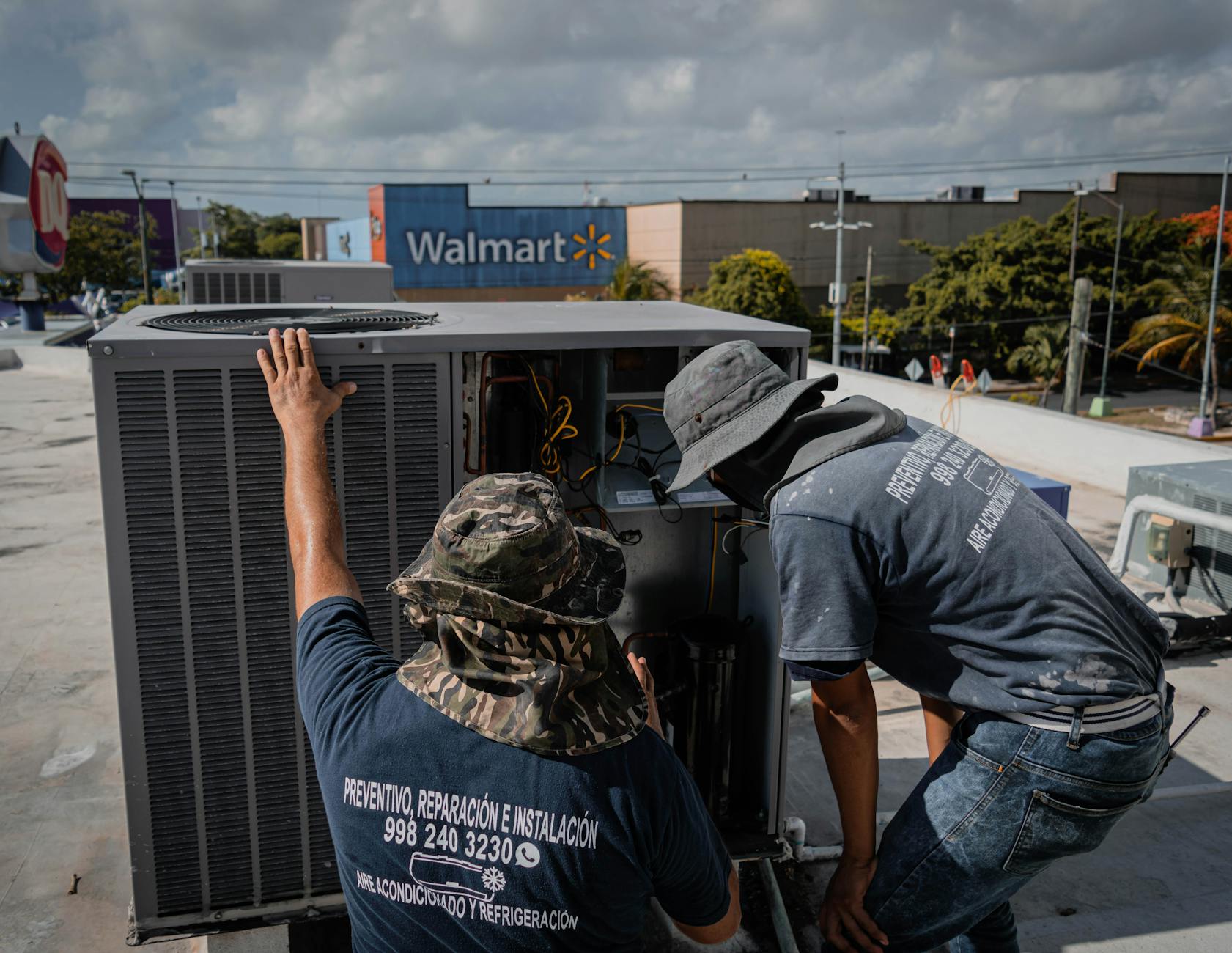
    Two technicians repair a rooftop HVAC unit outside a Walmart store.
    Photo by José Andrés Pacheco Cortes

    1. Replace Air Filters Regularly: A clogged filter chokes your system, forcing it to work harder while reducing airflow and filtering efficiency. Experts recommend replacing filters every 1-3 months, depending on usage and whether you have pets or allergies.
    2. Clean the Coils: Dust and debris can collect on both the evaporator and condenser coils, degrading their performance. Professional cleaning at least once a year ensures the coils remain efficient and prevents system strain.
    3. Inspect and Clear Drain Lines: Blocked drain lines can lead to water damage or even stop your system from functioning. Keep them clear to avoid costly issues.
    4. Check Refrigerant Levels: Low refrigerant doesn’t just mean less cooling; it can also strain key components, leading to breakdowns. Regular inspections prevent leaks and maintain performance.
    5. Annual Tune-Ups by a Professional: Even if you stay on top of basic tasks, you’ll need a professional to give your system a thorough checkup at least once a year. They’ll tighten electrical connections, lubricate moving parts, test the thermostat, and ensure everything’s running smoothly.
    6. Clean Around Outdoor Units: Overgrown plants, debris, or dirt around the outdoor condenser unit can obstruct airflow. Keep a 2-3 foot clearance for optimal operation.
    7. Inspect Ductwork: Leaks or blockages in your duct system can waste energy and compromise air quality. Having these inspected periodically can make a big difference.

    HVAC maintenance doesn’t have to be overwhelming or expensive. A little consistent effort can save you significant headaches. When in doubt, consult an HVAC professional to guide you through the process and make sure your system is truly optimized.

    Closing Vents in Unused Rooms Does Not Save Energy

    Many homeowners believe closing vents in unoccupied bedrooms or sections of the home will save energy by directing air to other spaces. Unfortunately, this well-meaning practice does more harm than good and could be draining your energy budget. HVAC systems are meticulously designed to maintain balance in airflow across the entire home. Blocking vents disrupts this equilibrium, leading to inefficiency and potential damage to your system.

    The Science of Airflow in HVAC Systems

    Your HVAC system is more than just a collection of vents, ducts, and a thermostat—it’s a finely tuned network designed to circulate air efficiently. When you block vents in an attempt to save energy, you’re inadvertently interfering with this balance. Here’s why:

    • Increased Pressure in Ductwork: Imagine pinching a garden hose while the water is running. The pressure builds, and the water struggles to move through. The same thing happens when air can’t flow freely through your ducts. This added strain forces your system to work harder, wasting energy instead of conserving it.
    • Reduced System Efficiency: HVAC systems rely on consistent airflow to distribute heating or cooling evenly throughout your home. When vents are closed, the imbalance created can trap air in the ductwork, causing uneven temperatures. Some rooms may get too warm, while others stay too cold.
    • Potential for System Damage: High pressure from blocked airflow can damage the blower inside your HVAC unit. Over time, this wear and tear can lead to costly breakdowns or a need for premature replacement. Not to mention, duct leaks are more likely to form due to increased pressure, allowing conditioned air to escape into unconditioned spaces like attics or crawlspaces.

    Closing vents does another disservice too: it can lower indoor air quality. Restricted airflow might leave pollutants, allergens, or excess moisture trapped in unused spaces. Instead of saving energy, this practice often creates more problems than it solves.

    Close-up view of an air duct labeled 'SUPPLY' in an industrial setting.
    Photo by Jonathan Cooper

    Better Ways to Save Energy

    Rather than attempting to manipulate airflow by closing vents, opt for proven methods to reduce energy use and improve HVAC efficiency. These tips not only lower costs but also help your system last longer:

    1. Improve Insulation: Poor insulation lets air escape, forcing your HVAC system to run more often. Ensure walls, attics, and windows are properly insulated to maintain consistent indoor temperatures.
    2. Use a Programmable or Smart Thermostat: These devices allow you to preset temperature adjustments based on whether you’re asleep, at work, or home relaxing. A smart thermostat can save roughly $100 annually by optimizing energy usage.
    3. Seal Duct Leaks: Leaky ducts lose about 20-30% of conditioned air on average. Sealing with mastic or foil-backed tape keeps more cool or warm air where you want it—inside your rooms.
    4. Change Filters Regularly: A clogged filter can make it harder for your HVAC system to breathe, increasing energy consumption. Replace filters every 1-3 months depending on usage.
    5. Weatherize Your Home: Simple fixes like sealing gaps around windows and doors or using weather stripping can make a huge difference by minimizing drafts.
    6. Upgrade to Energy-Efficient Equipment: If your HVAC system is more than a decade old, consider replacing it with a newer, ENERGY STAR-certified model. These units operate more efficiently and could reduce your energy bills considerably.
    7. Schedule Professional Maintenance: Seasonal tune-ups keep your system running at its best. Professionals can clean, inspect, and ensure all parts work seamlessly, preventing energy waste and costly repairs.

    Saving energy doesn’t mean cutting off airflow—it’s about fostering an environment where your HVAC system can operate at its most efficient. Implementing these steps ensures you’re not only saving money but also enhancing the comfort and reliability of your home year-round.

    HVAC Filters Need Regular Replacement

    Many homeowners underestimate the importance of regularly replacing their HVAC filters. Some even believe filters only need to be swapped out once a year—a costly myth that could negatively affect your home’s air quality, energy efficiency, and HVAC system’s lifespan. Let’s talk about why this misconception is outdated and the benefits of keeping your system clean.

    Factors That Affect Filter Longevity

    Not all HVAC systems, and certainly not all homes, require the same filter replacement schedule. Several key factors influence just how often you should make the switch. Here’s what you need to consider:

    1. Pet Dander: If you own pets, particularly furry ones, filters clog faster. Pet dander, fur, and even tracked-in dirt increase strain on the filtration system. For homes with one or more pets, filters should typically be replaced every 20-45 days, depending on shedding and pet size.
    2. Allergies and Asthma: If someone in your household suffers from allergies or respiratory issues, frequent filter changes are non-negotiable. Pollutants like dust, pollen, and mold spores can quickly accumulate, triggering symptoms or exacerbating conditions. Stick to a replacement schedule of every 30 days in these cases.
    3. Usage Frequency: Your HVAC system works harder during peak seasons. During the heat of summer or the depths of winter when it’s running often, you’ll need to change filters more regularly—likely every 30-60 days.
    4. Environment: Homes located in areas with high pollution or dusty rural regions see filters clogging more quickly. In these cases, monthly filter changes might be necessary to maintain efficiency.
    5. Filter Type: The lifespan of your filter also depends on its material. For instance, fiberglass filters often need to be replaced every 30 days, while pleated high-efficiency filters can last up to 90 days. If you’re unsure, check the filter’s manufacturer guidelines.

    Changing your filter as needed ensures your HVAC system operates efficiently, improving indoor air quality while preventing costly system damage.

    Technician repairing an air conditioner unit outdoors, wearing a facemask and using a manifold gauge.
    Photo by José Andrés Pacheco Cortes

    The Benefits of Keeping Filters Clean

    Replacing HVAC filters regularly isn’t just a good idea—it’s essential. A clean filter benefits your home, your system, and your wallet in a variety of ways:

    • Better Energy Efficiency: Dirty filters force your HVAC system to work harder, leading to higher energy consumption. Studies show that replacing a clogged filter can improve energy efficiency by up to 15%, lowering your monthly utility bills.
    • Improved Air Quality: Filters trap dust, debris, allergens, and even mold spores. Clean filters ensure these irritants don’t circulate throughout your home, reducing allergens and creating a healthier living space. This is especially crucial for anyone with asthma, allergies, or weakened immune systems.
    • Enhanced System Longevity: Struggling to push air through a clogged filter puts extra stress on your HVAC system. Over time, this can damage key components like the blower motor, leading to expensive repairs or even premature system failure. Regular filter changes help protect your investment, extending its lifespan.
    • Consistent Comfort: Clean filters allow air to flow freely, keeping every corner of your home at the desired temperature. You’ll avoid those annoying hot or cold spots caused by restricted airflow.
    • Less Frequent Dusting: A clogged filter lets dust and debris settle on surfaces in your home. Replacing the filter reduces circulating particles, meaning less dust buildup and less time spent cleaning.

    Regular filter changes are one of the easiest and most affordable ways to maintain your HVAC system and improve your home’s comfort. It’s a small habit that pays off big in the long run—both for your family’s health and your budget.

    Conclusion

    Believing in HVAC myths can cost you money and compromise your home’s comfort. Oversized systems, improper thermostat use, skipped maintenance, and other misconceptions disrupt efficiency and increase wear on your system. Addressing these myths keeps your home comfortable, reduces energy costs, and extends your system’s life.

    Take action by prioritizing regular care, consulting HVAC professionals, and making informed decisions about your heating and cooling. A little effort goes a long way in ensuring a more efficient and reliable system for years to come. Don’t let outdated myths guide your choices—invest in the truth for better results.

  • The Best HVAC Maintenance Checklist for Comfort and Energy Savings Year-Round

    The Best HVAC Maintenance Checklist for Comfort and Energy Savings Year-Round

    Your HVAC system works hard year-round to keep your home comfortable, but it won’t run efficiently without regular maintenance. Simple tasks like cleaning filters, inspecting components, and scheduling seasonal tune-ups can prevent costly repairs and extend its lifespan. A well-maintained system not only saves energy but also keeps you cozy through every season.

    Why HVAC Maintenance is Crucial

    Regular HVAC maintenance is often compared to routine car tune-ups—they both ensure efficient operation and prevent unexpected breakdowns. Neglecting these systems might save time in the short term but can lead to higher energy bills, costly repairs, or even premature replacements down the line. Keeping your HVAC system in top shape is about more than just comfort—it’s about safety, efficiency, and long-term savings. Below, we break down the three major benefits of keeping up with maintenance.

    Energy Efficiency Benefits

    Did you know that a neglected HVAC system has to work harder to maintain the same level of comfort? Dirty filters, clogged air ducts, and worn-out components all strain the system, driving up energy use. With regular maintenance, the system runs smoothly and consumes less energy, leading to noticeable savings on utility bills.

    Beyond the financial impact, reducing energy waste means a smaller carbon footprint. That’s a win for your wallet and the planet. According to industry data, routine care can improve system efficiency by as much as 15%. Something as simple as cleaning the coils or replacing a clogged filter could save hundreds annually.

    • Replace air filters every 1–3 months.
    • Schedule professional tune-ups twice a year.
    • Seal air ducts to prevent leaks.

    By completing these tasks, you’re not just improving your energy efficiency; you’re actively contributing to a more sustainable home.

    Protecting System Longevity

    Think of your HVAC system like any other significant investment—wouldn’t you want to maximize its lifespan? Regular inspections allow technicians to catch small issues before they escalate into major problems. A worn-out belt, for example, may not seem like a big deal, but left unchecked, it could lead to motor failure.

    Avoiding unnecessary wear and tear helps ensure your system lasts its full intended lifespan, which is typically 10–15 years for most units. Skipping maintenance could shave years off that, forcing you to spend thousands on a replacement sooner than necessary. Routine care truly works to protect the heart of your home’s climate control system.

    • Prevent unexpected breakdowns.
    • Avoid premature system replacements.
    • Minimize out-of-pocket repair costs in the long term.

    When your HVAC system runs like new for years on end, you’ll realize the value of regular care.

    Improved Indoor Air Quality

    A well-maintained HVAC system does more than keep your home comfortable—it helps keep the air clean. Over time, dust, allergens, mold, and other pollutants can build up in air filters and ducts. Without periodic cleaning, these can circulate through your home, affecting your family’s health.

    If you or loved ones suffer from allergies, asthma, or other respiratory issues, proper HVAC maintenance is non-negotiable. Clean filters and ducts trap allergens, ensuring these irritants don’t make their way inside. You’ll breathe easier knowing your HVAC system is part of your home’s line of defense against airborne pollutants.

    Here’s how maintenance improves air quality:

    • Fresh air filters trap finer particles like pollen and dust mites.
    • Regular duct cleanings prevent mold growth.
    • Removing debris from components reduces airborne contaminants.

    Indoor air can often be two to five times more polluted than outdoor air, according to the EPA. Dust off your system regularly to keep your family safe and your home a healthier place to live. Remember—maintenance keeps everything running well, and it keeps the air you breathe as clean as possible.

    Year-Round HVAC Maintenance Checklist

    Maintaining your HVAC system all year ensures comfort and energy efficiency. By dividing your tasks into monthly, quarterly, and annual schedules, you can make regular upkeep both manageable and effective. With this checklist, you’ll keep your heating and cooling system running smoothly and avoid costly repairs.

    Monthly Maintenance Tasks

    These simple monthly tasks keep your HVAC system from overworking and help avoid unnecessary wear and tear:

    • Clean air vents and registers: Dust and debris can block airflow. Use a vacuum or a damp cloth to clean them, improving air circulation and indoor air quality.
    • Remove debris from the outdoor unit: Outdoor units often collect leaves, dirt, or twigs. Make sure there’s at least 2 feet of clear space around the unit to allow proper airflow.
    • Check your thermostat: Verify it’s set to the correct temperature, especially if you’re switching between heating and cooling.

    Spending a few minutes each month on these steps can go a long way toward maintaining efficiency and lowering energy bills.

    HVAC Maintenance
Close-up of an industrial air conditioner setup on a building wall, showcasing pipes and a ladder.
    Photo by Zechen Li

    Quarterly Maintenance Tasks

    Every three months, it’s time to dive a little deeper to ensure your HVAC system is optimized for use:

    • Replace air filters: Dirty air filters restrict airflow and make your system work harder. Replace them every 1–3 months, especially if you have pets or allergies.
    • Inspect the thermostat settings: Make sure it’s calibrated correctly and operating efficiently. Consider upgrading to a smart thermostat for better energy management.
    • Check refrigerant lines (for AC): Look for signs of visible wear or damage along the lines, but leave repairs to professionals if needed.
    • Clean drainage lines: Use a cup of vinegar to ensure that drain lines are clear and free of mold or algae buildup.

    These quarterly tasks take minimal time and can prevent slowdowns during extreme weather seasons.

    Annual Maintenance Tasks

    Once a year, schedule professional attention and perform a thorough check of your system:

    • Schedule a professional tune-up: An HVAC technician will inspect, clean, and fine-tune your system. They’ll also check for refrigerant leaks, test airflow, and confirm safe operation.
    • Inspect ductwork for leaks and damage: Leaks in your ducts can seriously impact efficiency and increase your energy bill. Have a professional seal any leaks you’ve noticed.
    • Clean evaporator and condenser coils: These should be thoroughly cleaned annually to improve heat transfer and system performance.
    • Look at your system’s insulation: Insulated refrigerant lines help prevent energy loss. Ensure they are intact and in good condition.

    By completing these annual steps, you’ll extend your HVAC system’s lifespan while keeping it running safely and efficiently all year.

    Seasonal Adjustments for Maximum Comfort

    A well-maintained HVAC system is essential for keeping your home comfortable throughout the year. With the distinct demands of summer’s heat and winter’s chill, adjusting your maintenance routine with the seasons ensures your system operates efficiently. Below, we break down necessary tasks for seasonal preparation to help you get the most out of your HVAC system.

    Preparing for Summer

    Your air conditioning system takes center stage as temperatures rise. Proper preparation not only ensures cooling efficiency but also reduces the risk of mid-season breakdowns. Here’s what you need to focus on before the summer heat ramps up:

    • Clean the condenser unit: Begin by clearing away dirt, leaves, and debris from around the outdoor condenser. A clean unit allows for unrestricted airflow and optimal cooling performance. Use a garden hose to gently wash the fins, but avoid using high pressure to prevent damage.
    • Check refrigerant levels: Low refrigerant levels can significantly hinder your air conditioner’s ability to cool efficiently. If you notice your AC isn’t cooling your space as it should, have a qualified HVAC technician check and, if necessary, refill refrigerant levels.
    • Inspect and clean coils: The evaporator and condenser coils often collect dirt over time, reducing system efficiency. Dirty coils make it harder for the system to cool and use energy more efficiently. Ensure they’re professionally cleaned annually or as recommended by the manufacturer.
    • Service the blower fan: The fan inside your air handler or furnace needs to be inspected and cleaned for smooth operation. A properly functioning fan ensures adequate airflow throughout your home.
    • Test the thermostat: Before summer officially begins, test your thermostat’s cooling mode to confirm it communicates effectively with the AC system. If still using an older thermostat, consider upgrading to a smart thermostat for more precise control and energy savings.

    Routine checks and timely cleaning can mean the difference between staying cool all summer or sweating over an emergency repair.

    Winter Maintenance Guide

    While summer focuses on cooling, winter demands a heating system that’s in peak condition. As temperatures drop, your HVAC system needs to function reliably to keep your home warm and safe. Here are effective strategies to get winter-ready:

    • Inspect the heating element: Whether you rely on a furnace, heat pump, or boiler, it’s crucial to ensure all heating components are in good working condition. Look out for signs of wear or damage, and schedule professional service before the heating season begins.
    • Seal drafts: Even the most efficient furnace can’t keep your home warm if drafts let cold air in. Check for gaps around windows, doors, and attic entries. Use caulk or weatherstripping to seal these areas and maintain indoor warmth.
    • Replace air filters: During winter, clean air filters are just as important as they are in summer. Clogged filters can reduce airflow and strain the system, so make it a habit to clean or replace them every 1–3 months.
    • Check the thermostat settings: Optimize your thermostat’s settings specifically for the cold months. Lower the temperature when you’re away and raise it just before you’re back home. This keeps energy costs low while maintaining comfort.
    • Protect the outdoor unit: For heat pumps or systems with outdoor units exposed to snow and ice, consider using a protective cover. This prevents buildup that can block airflow or damage components, keeping the system running smoothly in freezing conditions.

    Getting ahead of these tasks ensures your HVAC system can handle the demands of winter, providing cozy warmth when you need it most.

    By adjusting your maintenance efforts to align with changing seasons, you’ll keep your home comfortable while extending the life of your HVAC system. Summer and winter each bring unique challenges—preparation is your system’s best defense.

    When to Call a Professional

    Even with the best HVAC maintenance habits, there are times when professional intervention becomes non-negotiable. Your HVAC system is a complex machine, and some issues require the expertise of a trained technician. Ignoring obvious signals can lead to more extensive damage and higher repair costs. Here’s how to know when it’s time to pick up the phone and the benefits of bringing in a professional.

    Signs Your HVAC Needs Immediate Attention

    Your HVAC system often gives clear signs that something isn’t working as it should. Recognizing these warning signals early can save you from discomfort and expensive repairs:

    • Unusual noises: Grinding, squealing, banging, or hissing sounds coming from your unit are never a good sign. These noises could indicate anything from a loose part to motor issues or refrigerant leaks.
    • Fluctuating temperatures: If some rooms are too hot while others are too cold, or your system struggles to maintain a consistent temperature, it may be a sign of ductwork issues, a malfunctioning thermostat, or a more significant problem with your HVAC unit.
    • Skyrocketing energy bills: A sudden increase in your utility bills without a corresponding drop in comfort points to inefficiency. This could be due to clogged filters, failing components, or an aging system working harder than it should.
    • Frequent cycling: If your HVAC unit starts turning on and off rapidly (short cycling), it might be an early indication of an oversized system, refrigerant issues, or a problem with the compressor.
    • Unpleasant odors: Musty smells can indicate mold in the ducts, while a burning smell might mean electrical components are overheating—either way, it’s a sign to call a technician immediately.
    • Ice formation: Ice on your system’s evaporator coils or outdoor unit could signal low refrigerant levels or dirty filters—a problem that needs quick professional attention.

    Procrastinating on these signs could turn manageable repairs into major system overhauls. If you detect any of these issues, it’s time to call in an HVAC technician.

    Benefits of Professional Inspections

    While DIY routine maintenance is essential, having a professional inspect your HVAC system at least once a year is equally important. Here are some of the key benefits:

    • Accurate problem diagnosis: HVAC systems are intricate, and pinpointing the exact issue often requires specialized tools and knowledge. Professionals can identify subtle problems that aren’t obvious to the untrained eye, preventing breakdowns before they happen.
    • Thorough system checks: Technicians perform comprehensive inspections that include testing electrical components, calibrating the thermostat, checking refrigerant levels, inspecting ductwork, and more. These evaluations ensure every part of your system runs efficiently.
    • Extended equipment lifespan: Professional maintenance helps reduce strain on your HVAC unit, ensuring critical components like compressors and motors last longer. Skipping inspections can shorten your system’s lifespan and lead to premature replacements.
    • Lower long-term costs: While there’s an upfront cost to professional inspections, they can save money in the long run by identifying minor issues before they escalate into costly repairs. For instance, it’s much cheaper to replace a worn belt than an entire motor.
    • Maintaining warranty requirements: Many HVAC warranties require regular professional inspections and tune-ups to remain valid. Neglecting this could leave you footing the repair or replacement bill if something goes wrong.
    • Enhanced indoor air quality: Technicians clear debris, dirt, and allergens from your system components and ductwork that DIY methods often miss, improving your home’s air quality.

    Routine inspections by a professional are a proactive way to ensure your HVAC system remains safe, efficient, and dependable for years to come. Balancing DIY maintenance with expert assistance gives you the peace of mind that your home’s climate control is in expert hands.

    Additional Tips for Maintaining Comfort

    Ensuring year-round comfort isn’t just about keeping your HVAC system ticking—it’s also about creating a home environment that feels refreshing, cozy, and tailored to your needs. Below, you’ll find valuable insights on how air quality improvements and thermostat technology can enhance your comfort over time.

    Investing in Air Quality Enhancements

    It’s easy to forget that indoor air quality plays a massive role in how comfortable your space feels. Sometimes, even the most efficient HVAC system needs a little help to guarantee clean, healthy air throughout your home. That’s where air purifiers, humidifiers, and dehumidifiers come in.

    • Air Purifiers: These devices work in synergy with your HVAC system to capture allergens, pollutants, and even odors. For homes in areas with high pollen or dust, integrating an air purifier directly with existing ductwork can deliver significant improvements in air quality.
    • Humidifiers: Dry air during the colder months can lead to itchy skin, irritated sinuses, and warping wood furniture. Adding a humidifier keeps indoor humidity balanced, creating a cozier environment.
    • Dehumidifiers: Summer often brings excessive moisture that fosters mold and mildew. A dehumidifier removes that extra dampness, making your home feel less sticky and more comfortable.

    Maintaining ideal humidity levels (usually between 30-50%) also ensures your HVAC system doesn’t have to overwork itself. These devices not only improve comfort but also protect your home and its contents from long-term damage.

    Close-up of a man using a remote to control air conditioning indoors.
    Photo by Jakub Zerdzicki

    Smart Thermostat Optimization

    Gone are the days of manually adjusting your thermostat every time the weather changes. Smart thermostats are one of the easiest ways to enhance comfort while reducing energy waste.

    • Energy Savings: A smart thermostat learns your schedule and preferences to automate temperature adjustments. For instance, it can lower the heating when you’re asleep or away and warm things up just before you return.
    • Remote Access: Most smart thermostats connect to Wi-Fi, allowing you to tweak the temperature via your smartphone. Stuck at work or running errands? You can still ensure your home is the perfect temperature when you arrive.
    • Customized Zones: Advanced models provide zoning capabilities. Want the living room warmer than the bedroom? Set separate temperatures for different areas.
    • Usage Insights: Many systems also deliver energy usage reports, helping you understand consumption patterns and identifying areas where you can save.

    Installing a programmable or learning thermostat is like letting your HVAC system “think” for you. These systems offer convenience and savings without sacrificing comfort. Once set up, you’ll wonder how you lived without one.

    Conclusion

    A consistent HVAC maintenance routine is the key to enjoying reliable comfort, better energy efficiency, and cleaner air throughout the year. Simple steps like replacing filters, cleaning vents, and scheduling seasonal tune-ups make all the difference in system performance and longevity.

    Don’t wait for issues to arise. Commit to a proactive approach by creating and following a checklist. And when signs of trouble appear, call in the experts to keep your system running smoothly.

    Your HVAC system is an investment in home comfort and health—treat it like one. Start your routine today to save money, stay comfortable, and avoid unnecessary repairs.

  • How Smart Thermostats Are Revolutionizing Home Heating and Cooling

    How Smart Thermostats Are Revolutionizing Home Heating and Cooling

    Imagine a thermostat that adjusts itself automatically, saves you money, and keeps your home comfortable without you lifting a finger. That’s exactly what smart thermostats bring to the table. These devices are transforming how we heat and cool our homes by combining advanced technology with everyday convenience. From learning your habits to syncing with your smartphone, they’re designed to cut down energy waste while making life easier. Whether you’re aiming to lower utility bills or create a smarter living space, these systems offer a practical and efficient solution.

    What Are Smart Thermostats?

    Smart thermostats are modern devices designed to enhance the way we control our heating and cooling systems. Unlike traditional thermostats, which rely on manual adjustments or basic programming, smart thermostats are Wi-Fi-enabled and packed with advanced features that learn your preferences, offer remote control, and provide insights into your energy use. These devices aim to strike the perfect balance between comfort, convenience, and energy efficiency. Here’s a closer look into their standout features and how they function.

    Features of Smart Thermostats

    Smart thermostats stand out because of their cutting-edge functionalities that make managing your home environment seamless. Here are the key features that make them unique:

    • Learning Algorithms: One of the most innovative features is their ability to learn your habits. Over time, they pick up on your preferred temperatures during different times of the day and automatically adjust to maintain those comfort levels. It’s like having a personal assistant for your home’s climate!
    • Geofencing: Imagine your thermostat knowing when you’re almost home. With geofencing, a smart thermostat uses your phone’s location to make temperature adjustments. Need the house cooler before you arrive? Done. Heading out? It scales back the energy usage.
    • Remote Control: Whether you’re in bed, at work, or on vacation, you can control your thermostat from your smartphone, tablet, or computer. Adjusting the temperature is just a few taps away, which means there’s no more coming home to an uncomfortable space.
    • Real-Time Energy Reports: Want to see how efficiently you’re using energy? Smart thermostats provide detailed data reports on your energy consumption. These insights help you identify any inefficiencies or opportunities to save even more.

    Photo by Brett Jordan A close-up image showing smartphone control panel with various icons like WiFi and Bluetooth.

    • Integration with Smart Home Systems: Many devices integrate effortlessly with platforms like Amazon Alexa, Google Assistant, or Apple HomeKit. This means you can control your thermostat using voice commands or configure it to work alongside other smart home tools.
    • Customized Scheduling: Set it and forget it. Smart thermostats allow for highly customizable schedules, ensuring that you’re conserving energy during off-hours and maintaining comfort when needed.

    How Smart Thermostats Work

    What makes these devices truly “smart” is their ability to gather data and take automated actions based on it. Let’s break down how they function from the inside out.

    • Sensors: Smart thermostats are equipped with a variety of sensors. These can include temperature sensors to monitor the room’s climate, motion sensors to detect occupancy, and even humidity sensors to further refine comfort levels.
    • Wi-Fi Connectivity: The thermostat connects to your home’s Wi-Fi, which is what makes remote control possible. It communicates with the accompanying app or web interface to receive commands and send updates.
    • HVAC Integration: A smart thermostat integrates directly with your home’s heating, ventilation, and air conditioning (HVAC) system. It acts as a control hub, taking your input—or what it learns on its own—and translating that into efficient heating and cooling actions.
    • Data Analysis: Algorithms process data collected by the sensors, along with your manual inputs, to determine the best settings. For instance, if you tend to lower the temperature every night at 10 PM, the thermostat will eventually do it for you—even reminding you that it’s part of its “routine.”
    • Geofencing Technology: By using your smartphone’s GPS location, smart thermostats know when you’re home or away. When everyone is out of the house, it switches to energy-saving settings. Once someone is on their way back, it fine-tunes the temperature to greet them with a comfortable environment.
    • OTA Updates: Many models receive over-the-air (OTA) software updates, which means your thermostat can get even smarter over time with new features and optimizations.

    By combining these technologies, smart thermostats manage to create a comfortable home climate while minimizing energy use. Pretty impressive, right? This perfect mix of intelligence, connectivity, and automation is why many consider smart thermostats to be an essential upgrade for modern homes.

    Benefits of Smart Thermostats

    Smart thermostats are proving to be more than just gadgets—they’re practical tools that improve how we manage heating and cooling. Whether you’re looking to save money, simplify your life, or lower your carbon footprint, these devices come with substantial advantages. Let’s explore some of the key benefits they offer.

    Enhanced Energy Efficiency

    One of the biggest selling points of smart thermostats is their ability to optimize energy use. Unlike traditional models, these devices use sensors, data, and learning algorithms to control temperature intelligently. They aim to heat or cool only when necessary.

    Smart thermostats often include features like geofencing to know when you’re home or away. For example, if you leave for work and forget to turn the thermostat down, it will automatically adjust. Many models can also take outside weather conditions into account, fine-tuning the temperature without wasting energy.

    The result? Higher efficiency without sacrificing comfort. According to ENERGY STAR, certified smart thermostats can save up to 10-15% on annual heating and cooling costs. Over time, this small adjustment in temperature management dramatically reduces wasted energy.

    Photo by Erik Mclean Close-up of a modern digital thermostat mounted on a wall, displaying temperature settings in Celsius.

    Cost Savings on Utility Bills

    Energy efficiency doesn’t just help the planet—it also helps your wallet. Smart thermostats are an effective way to lower your monthly utility costs. By precisely controlling your HVAC system based on real-time needs and usage patterns, these devices can trim expenses significantly.

    For instance, studies show that households using smart thermostats experience savings of 8-15% on heating and cooling bills annually. In practical terms, this can mean saving between $50-$150 per year, depending on your location and system. Some models, such as the Nest Learning Thermostat, report savings as high as 12% on heating and 15% on cooling, making the upfront investment pay off relatively quickly.

    Utility providers and government programs often offer rebates to encourage homeowners to adopt energy-conscious technologies. Taking advantage of these incentives can make smart thermostats even more accessible and cost-efficient.

    Improved Lifestyle Convenience

    Modern living is about making things easier, and smart thermostats excel at doing just that. With features like mobile app control, voice assistant integration, and automated scheduling, they make managing your home’s comfort effortless.

    Want to cool your home on the way back from a weekend trip? Use the app. Prefer voice commands through Alexa or Google Assistant? Done. Many smart thermostats even learn your daily habits over time, creating a personalized schedule that adjusts temperatures without you needing to micromanage settings.

    Even better, some models send you reminders for HVAC maintenance, like changing filters. These small conveniences add up, making smart thermostats not just energy savers but time savers too. They’re the ultimate “set-it-and-forget-it” devices, giving you one less thing to think about in your daily routine.

    Incorporating a smart thermostat into your home isn’t just about high-tech appeal—it’s about genuine benefits that enhance your lifestyle in measurable ways.

    Integration with Smart Home Ecosystems

    Smart thermostats are more than just temperature controllers—they’re becoming the backbone of modern smart homes. By connecting seamlessly with other devices, they help create a network of intelligent systems that work together for your convenience. Let’s look at how these integrations elevate your living space.

    Compatibility with Other Smart Devices

    Smart thermostats are designed to work harmoniously with a wide range of other smart devices, making your home truly interconnected. Imagine walking into a room where lights dim automatically, blinds lower, and the temperature adjusts—all to your liking.

    Some common examples of integration include:

    • Smart Lighting: Pairing your thermostat with smart lights lets you control brightness or switch off lighting when your home knows you’re away. Think of the energy savings when your devices communicate like a team.
    • Motorized Blinds: Many thermostats can sync with automated blinds to manage sunlight and keep rooms cool or warm naturally. For example, they can close during the heat of the day to keep rooms cooler, allowing your HVAC system to do less work.
    • Air Purifiers and Fans: Some thermostats integrate with air purifying systems or connected ceiling fans to ensure perfect air quality and comfort based on the temperature and your habits.

    This level of cohesion not only enhances convenience but also boosts energy efficiency. Many systems use shared data, like room occupancy or outside temperatures, to make automatic adjustments. It’s like having a choreographed system managing the fine details of your environment.

    Photo by Jakub Zerdzicki Explore smart home essentials: a smart camera, light bulb, and mobile app control.

    Voice and App Control

    One of the standout features of smart thermostats is their compatibility with voice assistants like Amazon Alexa, Google Home, or Apple HomeKit. These voice-activated platforms make managing your thermostat as easy as saying, “Set my living room to 72 degrees” while you relax on the couch.

    Here’s what makes voice and app control a game changer:

    • Hands-Free Convenience: Whether you’re cooking, working, or carrying groceries, voice commands save time and effort. Alexa or Google Assistant can take care of temperature changes instantly.
    • Mobile App Integration: Every major smart thermostat comes with a dedicated mobile app. These apps let you monitor and adjust your home’s temperature no matter where you are. Heading home early on a snowy day? Simply open the app to warm things up before you arrive.
    • Custom Routines: With app control, you can set daily schedules that adjust temperatures based on the time of day or even specific activities—like lowering the heat when you’re asleep or boosting cooling during your workout.

    Voice and app controls add a significant layer of personalization and ease. Being able to manage your thermostat remotely makes your home not just smart, but intuitive. Now the idea of walking into an uncomfortable room feels outdated. Smart thermostats keep the focus on your convenience and comfort, every step of the way.

    Environmental Impact of Smart Thermostats

    Adopting smart thermostats isn’t just about convenience or cost savings—it plays a significant role in reducing environmental strain. These smart devices are designed to optimize energy consumption, helping us take a step toward a more sustainable way of living. Whether it’s by cutting down on wasted electricity or minimizing emissions, smart thermostats offer a greener alternative for maintaining comfortable homes.

    Lower Energy Consumption

    Smart thermostats excel at minimizing energy wastage, which in turn reduces greenhouse gas emissions. Traditional heating and cooling systems often run unnecessarily, especially when no one is at home. Smart thermostats prevent this through automated adjustments based on real-time occupancy and weather data.

    • Real-Time Adjustments: They constantly analyze room occupancy and outdoor weather conditions. When no one is home or ideal temperatures are achieved, they scale back heating or cooling to avoid overuse.
    • Personalized Schedules: By learning your habits, smart thermostats establish energy-efficient schedules. For instance, they might lower heating at night or during work hours, saving energy when it’s not needed.
    • Geofencing Features: Using smartphone GPS, many smart thermostats know when you leave and return. As a result, your home is only heated or cooled when necessary.

    The ripple effect of these capabilities is significant. Researchers suggest that widespread adoption of smart thermostats could reduce global carbon dioxide emissions by up to 7 gigatons in the coming decades. That’s like taking millions of cars off the road for good.

    Government Incentives and Rebates

    Governments and utility companies understand the role smart thermostats play in environmental conservation. To encourage adoption, many offer financial incentives like rebates or discounted pricing, making these devices more accessible to homeowners.

    • Rebate Programs: In many states, ENERGY STAR-certified smart thermostats are eligible for rebates ranging from $40 to $100. For example, utility providers like Pacific Gas and Electric offer up to $75 when you purchase a qualifying smart thermostat.
    • Demand Response Incentives: Some incentive programs reward homeowners for participating in demand response initiatives. By allowing utilities to make minor thermostat adjustments during peak demand, you contribute to grid stability while saving money.
    • Recycling Old Thermostats: If your old thermostat contains mercury, many programs offer additional rebates (up to $30) for safe recycling. This ensures older, environmentally unfriendly models are disposed of responsibly.

    These incentives not only make the initial investment more affordable but also amplify the environmental benefits by encouraging widespread use. Check with your local utility or the ENERGY STAR rebate finder to see which programs you qualify for.


    Photo by Andersen EV Woman charging electric vehicle at home with a modern wall-mounted charging station.

    Just like electric vehicles conserve energy on the road, smart thermostats build sustainable habits at home.

    Challenges and Considerations

    As smart thermostats redefine how we manage indoor climates, it’s important to weigh the potential challenges alongside their many benefits. While these devices promise convenience and energy savings, they also present practical barriers and privacy risks that homeowners should consider carefully.

    Installation Complexity: Distinguish Between DIY-friendly models and those requiring professional installation.

    Installing a smart thermostat can range from straightforward to daunting, depending on your home’s existing HVAC system and the thermostat model. Some systems play nicely with plug-and-play devices, while others feel more like assembling furniture without instructions.

    • DIY-Friendly Models: Many manufacturers like Nest and Ecobee design smart thermostats that are accessible for the average homeowner. If you have basic wiring, a screwdriver, and about an hour, you might be able to get up and running with minimal hassle. These models often come with step-by-step apps or video guides, simplifying the process even if you’re not particularly tech-savvy.
    • Professional Installation: Not every home is equipped to handle a smart thermostat installation. Older HVAC systems, lack of a common wire (C-wire), or complex multi-zone setups may require professional assistance. Skipping this step can result in compatibility issues, improper wiring, or even damage to your HVAC system. This added layer of complexity can make what seemed like a budget-friendly upgrade significantly more expensive.

    Before purchasing, always check compatibility guides provided by manufacturers. Skipping this step might leave you with a high-tech device that doesn’t fit into your home’s older heating and cooling infrastructure.

    Privacy and Security Concerns: Discuss data collection and security risks associated with smart thermostats.

    Smart thermostats collect a staggering amount of data—not just on your home’s temperature but also your daily habits, occupancy patterns, and even GPS locations through features like geofencing. While this information makes them efficient, it also raises concerns about privacy and security.

    • Data Collection: These devices rely on data to function intelligently, which means they’re constantly gathering and storing information. While some of this is necessary (like adjusting schedules based on your behavior), manufacturers also collect additional data for maintenance, app functionality, or even marketing purposes.
    • Potential Security Risks: Like any connected device, smart thermostats can be vulnerable to hacking. Improperly secured devices could provide unwanted access to sensitive information or even become an entry point for intruders into your broader home network.

    How can you protect yourself?

    1. Know What You’re Agreeing To: Always review a manufacturer’s data privacy policy. Understanding how they collect, store, and share your data is the first step in protecting your information.
    2. Enable Strong Security Measures: Update your thermostat’s firmware regularly, use strong and unique passwords, and enable two-factor authentication where available.
    3. Minimize Permissions: Don’t give your thermostat unnecessary access to personal data. For example, avoid linking geofencing if you’re uncomfortable with location tracking.

    While many brands are stepping up efforts to improve transparency and strengthen security protocols, privacy concerns remain a key consideration. Balancing convenience with peace of mind requires homeowners to be informed consumers who take proactive steps to secure their smart devices.

    The Evolution of Thermostats

    The journey of the thermostat reflects humanity’s persistent pursuit of achieving comfort and efficiency at home. From simple mechanical devices to the sophisticated, smart systems we know today, thermostats have come a long way. Each stage in their development marked a leap in technology and functionality, reshaping the way we control indoor climates.

    From Manual to Programmable Thermostats

    The earliest thermostats were simple devices with one goal: regulate temperature. The concept dates back to the early 17th century when Dutch inventor Cornelius Drebbel created a rudimentary mercury thermostat for an egg incubator. While primitive by today’s standards, it laid the foundation for the idea of thermostatic control.

    Fast forward to 1830, Scottish chemist Andrew Ure introduced the first bimetallic thermostat. This innovation used two metals with different expansion rates to control steam boiler temperatures. Then came Warren Johnson in 1883, who developed an electric thermostat capable of signaling furnace adjustments. His breakthrough gave homeowners an unprecedented ability to manage indoor heat levels remotely and also led to the founding of Johnson Controls, a company still recognized today.

    By 1906, Mark Honeywell built on these concepts with the first programmable thermostat. This model allowed users to choose desired temperatures for specific times of the day—a game-changer for achieving comfort. The 1950s brought the rise of dial-controlled thermostats. While basic, these became household staples, providing manual control for heating and cooling.

    In the 1980s, programmable thermostats reemerged with digital displays and schedules, offering energy-saving potential as users could set heating or cooling routines in advance. However, many people found their complexity frustrating, limiting widespread use. These models were a major step toward the eventual automation we enjoy today.

    The Introduction of Smart Thermostats

    The thermostat industry entered a new era in 2007 with the launch of the first smart thermostat by Ecobee. For the first time, homeowners could adjust settings remotely using Wi-Fi technology. Shortly after, the Nest Learning Thermostat hit the market in 2011, revolutionizing not only thermostat technology but also the broader smart home ecosystem. This device didn’t just allow remote adjustments; it learned user behavior, creating schedules based on preferences without requiring manual input.

    Over time, additional features emerged to make smart thermostats more user-friendly and efficient. These include geofencing, which uses GPS to adjust temperatures based on your location, and integrations with smart home platforms like Amazon Alexa or Google Assistant. Brands like Ecobee and Honeywell responded to consumer demand by improving compatibility with older heating systems and introducing features like energy usage analytics.

    The rise of governmental incentives in the 2010s further accelerated smart thermostat adoption. Utility companies began offering rebates for purchasing these energy-saving devices, making them more accessible for the average homeowner. The demand also surged as energy awareness grew—people wanted solutions that balanced comfort with sustainability.

    Today, smart thermostats have gone beyond just controlling temperature. They integrate seamlessly into broader home ecosystems, regulate air quality, and even coordinate with renewable energy setups. With advancements in AI algorithms, they’re not just reactive but predictive—creating an environment tailored to your lifestyle.

    Key Players in the Smart Thermostat Market

    The smart thermostat market is growing at an impressive rate, driven by increasing demand for energy efficiency, smart home adoption, and user convenience. Let’s examine some of the major players in this space and the emerging trends shaping the future of these devices.

    Top Brands and Their Features

    Modern smart thermostat interface showcasing temperature controls on a wall.

    Photo by RDNE Stock Project

    A handful of industry leaders dominate the smart thermostat market, each offering unique features to cater to varying consumer needs. Here’s a closer look at the top brands transforming home climate control:

    • Nest (Google Nest): Known for its sleek designs and user-friendly features, Nest thermostats are pioneers in AI-powered learning. Devices like the Nest Learning Thermostat automatically adapt to user preferences and use geofencing to adjust the temperature when you’re away. They also integrate seamlessly with Google Home, providing voice-controlled convenience.
    • Ecobee: Ecobee stands out for its focus on room-specific comfort. Using remote sensors, models like the Ecobee SmartThermostat manage hot or cold spots in your home. It’s also Alexa-enabled, making voice commands effortless. An attractive green energy feature is its eco+ mode, which adjusts settings based on electricity pricing and environmental conditions.
    • Honeywell Home: Honeywell offers reliable, budget-friendly options appealing to a wide audience. Models like the Honeywell T9 feature multi-room sensing and app-based integration. These thermostats are especially great for users prioritizing simple setups and compatibility with popular smart home platforms, such as Alexa and Google Assistant.
    • Tado: While not as well-known in the U.S., Tado is a European favorite, focusing on energy efficiency. Its devices feature weather integration and heating system diagnosis, offering homeowners insights into optimizing energy use. Tado’s compatibility with a wide range of HVAC systems keeps it competitive.

    Competitors like Siemens, Bosch, and Emerson are also contributing innovations, driving new benchmarks in energy savings, connectivity, and design.

    Emerging Trends in Smart Thermostat Technology

    The evolution of smart thermostats is just beginning. What’s on the horizon? Here are some of the trends defining the future of these devices:

    1. AI and Machine Learning: As AI technology improves, smart thermostats are becoming predictive rather than reactive. They analyze user behavior, weather patterns, and energy usage to create custom schedules tailored to individual preferences. For instance, they may pre-warm your home on chilly mornings before you wake up.
    2. Deeper Smart Home Integrations: Advanced integration with platforms like Amazon Alexa, Google Assistant, or Apple HomeKit is becoming standard. Beyond simple voice control, thermostats are now part of complex ecosystems that sync with devices like smart locks, lighting, and even energy storage solutions like solar batteries.
    3. Occupancy Sensing and Adaptation: By using radar, infrared, or motion sensors, thermostats can detect occupancy with greater precision. They adjust heating or cooling levels in real-time based on room activity, ensuring comfort only where needed.
    4. Focus on Indoor Air Quality: Newer models incorporate air quality sensors to monitor CO2, PM2.5, and other pollutants. This feature allows homeowners to adjust ventilation or activate connected air purifiers, creating healthier living environments.
    5. Voice-Activated and Hands-Free Control: Voice control continues to be enhanced, not just for basic commands but for creating detailed routines. Imagine simply saying, “Set the living room to movie night mode,” and having your thermostat optimize temperature while dimming lights.
    6. Integration with Renewables: With sustainability in focus, some thermostats now interact with renewable energy systems. They prioritize energy use during sunny hours if connected to solar panels or optimize HVAC operations to reduce carbon footprints.

    These innovations underline the rapid pace of development in the smart thermostat sector. As technology advances, these devices will become smarter, greener, and even more indispensable in our homes.

    Conclusion

    Smart thermostats are reshaping how we manage home comfort, improving efficiency and offering meaningful ways to save energy. They learn your schedule, adjust automatically, and provide insights that simplify energy use while lowering costs.

    This tech isn’t just about convenience—it’s an investment in smarter, more sustainable living. With features like remote control, geofencing, and integration with smart home ecosystems, these devices make managing your home’s climate smarter and easier.

    If you’re ready to cut utility bills, minimize energy waste, and enjoy personalized comfort, adding a smart thermostat to your home is a step you won’t regret. How might this kind of automation help you in your daily life? Share your thoughts or explore which model fits your needs best—you won’t look back!

  • Why Proper HVAC Installation is Key to Energy Efficiency and Home Comfort

    Why Proper HVAC Installation is Key to Energy Efficiency and Home Comfort

    Your HVAC system does more than control temperature—it impacts your home’s energy bills and your daily comfort. But even the best systems won’t perform well if installed incorrectly. Poor installation can lead to higher energy costs, uneven heating or cooling, and even equipment failure. A proper setup ensures you get the most out of your investment, keeping your home comfortable and efficient year-round.

    Understanding HVAC Systems

    Understanding how HVAC systems work is critical when it comes to improving home comfort and energy efficiency. These systems not only regulate indoor climates but also impact air quality and energy consumption, making them an essential part of modern life. Below, we break down the fundamentals of HVAC systems and their role in keeping your home comfortable and efficient.

    What Does HVAC Stand For?

    HVAC is an acronym for Heating, Ventilation, and Air Conditioning, which represents the three primary functions of the system. Each component plays a critical role in creating a balanced indoor environment.

    • Heating: Whether through a furnace, heat pump, or boiler, the heating element keeps your home warm during cold seasons. It generates heat and distributes it via ductwork, radiators, or other systems.
    • Ventilation: This part of the system improves indoor air quality by circulating fresh air and removing pollutants, allergens, and moisture. It’s like giving your home a breath of fresh air every day.
    • Air Conditioning: When temperatures rise, the air conditioning component cools the indoor air, dehumidifies it, and ensures a pleasant living environment.

    Each of these components is interconnected, helping to regulate temperature, maintain airflow, and ensure healthy air quality.

    A Ballu air conditioner condenser unit mounted on a building exterior, showcasing modern HVAC technology. Photo by Gustav Mahler

    The Role of HVAC in Comfort and Efficiency

    Your HVAC system is more than just a convenience—it’s essential for maintaining a stable and comfortable indoor climate. These systems are designed to balance temperature, air circulation, and humidity levels, making your home livable throughout the year. But what exactly does that mean for you?

    1. Temperature Control: The most apparent benefit of an HVAC system is its ability to regulate your home’s temperature. Whether it’s snowing outside or the middle of a heatwave, HVAC keeps the environment just right.
    2. Air Quality Enhancement: A properly functioning HVAC system promotes better air quality by filtering out dust, allergens, and other contaminants, keeping your family healthy.
    3. Energy Efficiency: Advanced systems help reduce energy consumption. They achieve this by maintaining optimal settings, reducing wear on components, and adjusting output as needed.

    Think of your HVAC system as the heart of your home. Just as your heart keeps blood pumping and ensures survival, HVAC keeps air flowing and regulates comfort levels. Without it, homes would feel stuffy, irregularly heated, or overly dry.

    In short, HVAC systems are the unsung heroes behind efficient and comfortable living. Understanding how they work empowers you to make better choices for maintenance, upgrades, and overall energy savings.

    The Importance of Proper Installation

    A properly installed HVAC system doesn’t just “work”—it works efficiently, reliably, and effectively. An incorrect setup, even with the highest-quality systems, can throw off performance, drive up utility bills, and even shorten the lifespan of your equipment. Let’s break down the key reasons proper installation makes all the difference.

    Energy Efficiency

    Did you know an improperly installed HVAC system can waste up to 30% more energy? When the unit isn’t aligned correctly, or components like ductwork are poorly sealed, your HVAC has to work harder to heat or cool the home. This increased workload translates to higher energy bills and unnecessary wear and tear. On the flip side, proper installation ensures:

    • Tight connections that minimize air leaks.
    • Efficient airflow distribution throughout the home.
    • Correct calibration for thermostats and other system controls.

    Think of it like driving a car with underinflated tires—you’ll burn more fuel and reduce performance. A properly installed HVAC system “runs on full cylinders” and keeps energy use optimized.

    System Longevity

    Your HVAC system isn’t a short-term investment—it should last you 10–15 years, or even longer with regular maintenance. But improper installation can cut that lifespan significantly by stressing components. For example:

    • Misaligned belts, wires, or components can fail prematurely.
    • Overworked motors burn out faster due to inefficient operation.
    • Poorly sealed systems cause more wear by cycling too frequently.

    Proper installation is like building a sturdy foundation for a house—it keeps everything running smoothly, even under pressure. If you want your HVAC system to go the distance, starting with the right setup is essential.

    A technician is repairing an air conditioning unit on a rooftop, demonstrating skilled manual work. Photo by José Andrés Pacheco Cortes

    Indoor Air Quality

    Your home’s air quality isn’t just about what’s outside—it’s also about what’s inside your HVAC system. Poor installation can result in:

    • Improper ducting: This allows dust, allergens, or even mold to circulate.
    • Leaking seals: Air bypassing filters means more pollutants enter your home.
    • Inadequate filtration setup: If filters don’t fit properly, they can’t trap particles effectively.

    A correctly installed system ensures that every element, from ducts to filters, meets its full potential. Cleaner air means a healthier living space for you and your family—especially if someone has allergies or respiratory conditions.

    Consistency in Comfort

    Ever walked into one room that’s ice-cold and another that feels like a sauna? That’s what happens when HVAC systems aren’t properly installed. Issues like uneven duct distribution or poor calibration can make comfort levels vary drastically across a home. Proper installation ensures:

    • Even temperature distribution across every room.
    • Stable humidity levels to avoid dry air or excess moisture.
    • Reliable thermostat readings so you’re always in control.

    Think of your HVAC system like a symphony orchestra. When every piece is tuned perfectly, it creates harmonious, consistent comfort throughout your home.

    Proper installation isn’t just a technicality—it’s the cornerstone of an HVAC system that delivers real value. Without it, you’re leaving efficiency, comfort, and system life on the table.

    Common Installation Mistakes

    Installing an HVAC system isn’t just about plugging in a unit and hoping for the best. It requires precision, proper planning, and attention to every detail to ensure optimal performance. However, installation mistakes happen more often than you’d think, leading to inefficiencies, higher energy costs, and discomfort. Let’s explore some common errors that cause homeowners trouble.

    Exterior view of an industrial air conditioning unit with visible wear and rust, set against a shabby wall. Photo by ready made

    Improper Sizing of Equipment

    Getting the wrong size HVAC unit for your home is like trying to wear shoes two sizes too small—uncomfortable and ineffective. Many people mistakenly believe that bigger is always better, but an oversized unit will cycle on and off too frequently, leading to:

    • Increased wear and tear on system components.
    • Poor humidity control, making the indoor air feel muggy.
    • Higher energy bills due to inefficiency.

    On the other hand, an undersized unit struggles to meet the demands of the space. You’ll experience uneven heating or cooling, uncomfortable living conditions, and a system that’s constantly overworking itself.

    To avoid this, calculations like Manual J load measurements are critical during installation. These measurements consider factors such as your home’s size, insulation, and window placement to ensure the unit fits like a glove.

    Inadequate Ductwork Design

    The ductwork is like the veins of your HVAC system, delivering air throughout your home. Yet, poorly designed duct systems can be one of the biggest culprits behind inefficiency. Here are some common issues:

    • Leaky ducts: Air escapes before it reaches its destination, wasting energy and money.
    • Improper sizing: Inefficient airflow causes some rooms to be too hot while others remain too cold.
    • Sharp turns or long ducts: These create resistance, making your system work harder than necessary.

    A well-designed duct system ensures consistent airflow and temperature throughout your home. It’s like having a well-laid-out road system—smooth, efficient, and free of bottlenecks.

    Neglecting Local Codes and Standards

    Local building codes and industry standards are there for good reasons—to ensure safety, efficiency, and long-term system performance. Ignoring them during installation can lead to:

    • Fines or penalties for non-compliance.
    • Possible safety hazards, like gas leaks or electrical issues.
    • Voided warranties on your new system.

    For example, many regions require specific clearances around the outdoor unit for proper airflow. Skipping such details can choke the system, just like wearing a scarf over your nose limits your ability to breathe freely.

    Hiring licensed professionals familiar with local regulations is essential. They’ll not only install the system correctly but ensure everything follows the rules, giving you peace of mind.

    Mistakes during HVAC installation aren’t just technical slip-ups—they can have real, lasting consequences for your home’s comfort and energy efficiency. Avoiding these errors requires expertise, careful planning, and a commitment to doing the job right. Keep these common pitfalls in mind as you plan your installation.

    Benefits of Professional HVAC Installation

    Hiring professionals for HVAC installation provides critical advantages that ensure a smoother, more efficient system. From precise setup to performance guarantees, professional installation delivers peace of mind and long-term value.

    Expertise and Experience

    A construction worker in a hard hat inspects a floor vent indoors, ensuring quality and safety standards. Photo by RDNE Stock project

    When it comes to your HVAC installation, cutting corners isn’t an option. Professionals bring years of expertise, ensuring the system is installed correctly and efficiently. Why does that matter?

    • They make accurate calculations: Professionals know how to determine the correct size unit for your home. A system that’s too small will overwork, while an oversized one wastes energy.
    • They have industry knowledge: From ductwork design to electrical connections, HVAC specialists use their training to handle complex tasks. These aren’t just “plug-and-play” systems—they demand precision.
    • They follow proper safety protocols: HVAC systems involve gas lines, high-voltage wiring, and refrigerants. Improper handling can cause serious hazards. Licensed technicians adhere to safety standards to protect your property and family.

    This expertise removes the guesswork from installation. Think of it like hiring a seasoned chef to prepare a gourmet meal versus trying a complicated recipe yourself. The difference shows in the results.

    Guaranteed Performance and Warranties

    Investing in professional installation often comes with added perks, including performance guarantees and warranties. While doing it yourself might seem cheaper, skipping professional help can cost you more down the line. Here’s why:

    • Performance assurance: Many installers offer guarantees on their work, ensuring the system operates as intended. If something goes wrong within the initial period, they’re accountable for fixing it.
    • Preserving manufacturer warranties: Most HVAC systems include warranties that are voided if installation isn’t performed by a licensed professional. With a pro, your warranty remains intact.
    • Reduced repair costs: A system installed properly from the start is less likely to face premature breakdowns or inefficiencies.

    These guarantees can be a financial safety net. Think of a professional installation as buying insurance for your HVAC system—it’s protection you’ll be glad to have if issues arise.

    Maintenance and Follow-Up

    Once your HVAC system is installed, the work isn’t over. Regular maintenance and follow-up care are essential to keep it running efficiently and extend its lifespan. Think of your HVAC like a car—it needs routine check-ups to stay in peak condition and avoid costly breakdowns.

    Scheduled Maintenance Benefits

    Two technicians repair a rooftop HVAC unit outside a Walmart store. Photo by José Andrés Pacheco Cortes

    Regularly scheduled maintenance isn’t just about keeping your system clean—it’s about protecting your investment and ensuring consistent performance. Here are several notable benefits:

    • Extended Equipment Life: Components like fans, belts, and coils wear down over time. Regular servicing helps spot and fix minor issues before they lead to larger problems.
    • Improved Energy Efficiency: Dust and debris can block airflow or restrict equipment functions. Cleaning and tuning up your HVAC ensures everything runs smoothly, keeping energy bills in check.
    • Cost Savings: Preventive maintenance reduces the risk of major breakdowns, sparing you from unexpected repair bills.
    • Warranty Compliance: Many manufacturers require routine service to keep warranties valid. Skipping maintenance could void protections you rely on.

    Think of it this way: would you drive a car for years without an oil change? Just like a vehicle, your HVAC system needs regular attention to perform its best.

    Signs Your HVAC Needs Attention

    Even the most reliable systems can show signs of trouble. Catching issues early can prevent more significant problems down the road. Keep an eye out for these common indicators:

    1. Increased Energy Bills: A sudden spike in your utility costs may mean the system is working harder than necessary.
    2. Inconsistent Temperatures: Struggling to maintain a steady indoor climate could signal airflow problems or thermostat issues.
    3. Unusual Noises: Hear banging, hissing, or grinding? These noises often point to failing components or loose parts.
    4. Frequent Cycling: If your system constantly turns on and off, it may be having trouble maintaining the desired temperature.
    5. Weak Airflow: Blockages in the ductwork or a failing blower could cause reduced air circulation.
    6. Foul Odors: Musty or burning smells could mean mold in the ducts or electrical issues with the unit.

    The sooner you tackle these warning signs, the simpler (and cheaper) the solution tends to be. Staying proactive with maintenance will save you headaches and money while keeping your home consistently comfortable.

    Conclusion

    A proper HVAC installation is essential for both energy efficiency and consistent comfort. It ensures every component works together seamlessly, reducing energy costs and prolonging system life. Poor installation, on the other hand, can lead to higher bills, uneven temperatures, and avoidable repairs.

    Partnering with a professional gives you peace of mind, not just functionality. They guarantee precision, efficiency, and adherence to safety standards. Don’t leave your home’s air quality and comfort to chance—invest in proper installation and enjoy the long-term benefits. Ready for an upgrade? Contact a trusted HVAC professional today!

  • The Top HVAC Installation and Repairs Solution in PA

    The Top HVAC Installation and Repairs Solution in PA

    your trusted HVAC installation and repairs solution in PA


    Welcome to Out of a Jam, your trusted HVAC installation and repairs solution in PA and surrounding areas. When it comes to staying cool and worry-free, our team has got you covered. With years of experience and a commitment to quality and customer satisfaction, we are your go-to experts for all your HVAC needs.

    Whether you need a brand new installation or repairs for your existing system, our skilled technicians are here to help. We understand that your comfort is of utmost importance, which is why we take our job seriously. Our team is equipped with the knowledge and expertise to handle any HVAC issue, big or small.

    At Out of a Jam, we believe in providing top-notch service that exceeds your expectations. Our goal is to create a comfortable and efficient environment in your home or business. From assessing your needs to recommending the best solutions, we will guide you every step of the way.

    Don’t let HVAC troubles get you in a sweat. Contact Out of a Jam today and experience superior HVAC installation and repair services in PA and surrounding areas.

    Common HVAC problems homeowners face

    Homeowners often face a variety of HVAC-related issues that can disrupt their comfort and daily lives. One of the most common problems is a malfunctioning air conditioning system. This can be caused by a range of factors, such as a refrigerant leak, a faulty compressor, or clogged air filters. When the AC unit fails to cool the home effectively, it can lead to uncomfortable and even unbearable temperatures, especially during the hot summer months.

    Another common HVAC problem is a furnace that is not functioning properly. This can be due to a variety of reasons, including a broken thermocouple, a malfunctioning igniter, or a clogged air filter. When the furnace is not working efficiently, it can result in inadequate heating, leading to a cold and uncomfortable living environment, especially during the winter season.

    Homeowners may also encounter issues with their ductwork, such as leaks or blockages. These problems can lead to uneven temperature distribution throughout the home, resulting in some rooms being too hot or too cold. Ductwork issues can also contribute to reduced energy efficiency, causing higher utility bills and increased environmental impact.

    The importance of regular HVAC maintenance

    Maintaining your HVAC system is crucial to ensure its optimal performance and longevity. Regular maintenance not only helps prevent unexpected breakdowns but also ensures that your system is running at peak efficiency, saving you money on energy costs in the long run.

    One of the most important maintenance tasks is changing the air filters regularly. Dirty or clogged air filters can restrict airflow, causing the HVAC system to work harder and consume more energy. By replacing the filters as recommended by the manufacturer, you can improve indoor air quality, extend the life of your HVAC components, and reduce your energy bills.

    Periodic tune-ups and inspections by a qualified HVAC technician are also essential. During these visits, the technician will thoroughly inspect the system, clean and lubricate the components, and identify any potential issues before they become major problems. This proactive approach can help you avoid costly repairs and ensure your HVAC system continues to operate efficiently.

    Regular maintenance also helps to extend the lifespan of your HVAC equipment. By keeping the system well-maintained, you can delay the need for costly replacements and enjoy a comfortable indoor environment for years to come. Investing in regular HVAC maintenance is a small price to pay for the peace of mind and long-term benefits it provides.

    Signs that indicate you need HVAC repair or replacement

    As HVAC systems age, they may start to exhibit signs that indicate the need for repair or replacement. One of the most obvious signs is a sudden increase in energy bills. If you notice a significant spike in your utility costs without any changes in your household’s energy usage, it could be a sign that your HVAC system is not operating efficiently.

    Another tell-tale sign is uneven temperature distribution throughout your home. If some rooms feel significantly warmer or cooler than others, it may be a sign of a problem with your ductwork or the HVAC system itself. This can be caused by issues such as a malfunctioning thermostat, a refrigerant leak, or a problem with the blower fan.

    Strange noises coming from your HVAC system can also be a red flag. Banging, grinding, or squealing sounds may indicate a mechanical issue that requires professional attention. Ignoring these noises can lead to further damage and more costly repairs down the line.

    If your HVAC system is more than 10-15 years old, it may be time to consider replacement. Older systems tend to become less efficient and more prone to breakdowns, which can result in higher energy bills and reduced comfort. Upgrading to a newer, more energy-efficient model can provide significant long-term savings and improved indoor air quality.

    Benefits of hiring a professional HVAC installation and repair service

    When it comes to HVAC installation and repairs, it’s crucial to hire a professional service to ensure the job is done right. Attempting to tackle these tasks on your own can be risky and may even lead to further damage to your HVAC system, costing you more in the long run.

    One of the primary benefits of hiring a professional HVAC service is their expertise and experience. Trained technicians have the knowledge and skills to diagnose and address a wide range of HVAC issues, from minor repairs to complex installations. They can quickly identify the root cause of the problem and recommend the most effective solution, saving you time and money.

    Professional HVAC services also have access to high-quality, industry-approved parts and equipment. This ensures that any repairs or replacements made to your system are of the highest quality and will perform reliably for years to come. Additionally, they often provide warranties on their work, giving you added peace of mind.

    Hiring a professional HVAC service also ensures that your system is installed or repaired in compliance with local building codes and safety regulations. This not only protects your investment but also safeguards your family’s well-being. Improper HVAC installation or repairs can pose serious safety hazards, such as gas leaks or electrical issues, which a professional technician is trained to prevent.

    The Out of a Jam difference: What sets us apart from other HVAC service providers

    At Out of a Jam, we take pride in our commitment to excellence and customer satisfaction. What sets us apart from other HVAC service providers in the area is our unwavering dedication to providing top-notch service and ensuring the comfort and well-being of our clients.

    One of the key factors that distinguishes us is our team of highly skilled and experienced HVAC technicians. Each member of our team has undergone extensive training and holds the necessary certifications to work on a wide range of HVAC systems. They are constantly updating their knowledge and staying up-to-date with the latest industry developments, ensuring that they can provide the most effective and efficient solutions for our clients.

    In addition to our technical expertise, we pride ourselves on our outstanding customer service. We understand that dealing with HVAC issues can be stressful, which is why we strive to make the process as smooth and hassle-free as possible. Our team is known for their prompt, courteous, and professional approach, always putting the needs of our clients first.

    Another aspect that sets us apart is our commitment to using high-quality, energy-efficient HVAC equipment and parts. We only work with reputable manufacturers and suppliers, ensuring that the products we install or use for repairs are of the highest caliber. This not only enhances the performance and longevity of your HVAC system but also contributes to reduced energy consumption and lower utility bills.

    At Out of a Jam, we go above and beyond to ensure that our clients are completely satisfied with our services. From the initial consultation to the final inspection, we take the time to understand your unique needs and preferences, and we work tirelessly to exceed your expectations. Our goal is to not only provide you with a comfortable indoor environment but also to build a lasting relationship built on trust and reliability.

    Our HVAC installation process: From consultation to completion

    At Out of a Jam, we understand that the installation of a new HVAC system is a significant investment, and we strive to make the process as seamless and stress-free as possible. Our comprehensive installation process is designed to ensure that your new system is tailored to your specific needs and installed with the utmost care and attention to detail.

    The first step in our installation process is the consultation. Our experienced HVAC technicians will schedule a visit to your home or business to assess your current system and discuss your heating and cooling requirements. We’ll take the time to understand your lifestyle, the size and layout of your space, and any other factors that may impact your HVAC needs. This allows us to recommend the most suitable system for your unique situation.

    Once we’ve determined the best HVAC solution for your needs, our team will work with you to schedule a convenient installation date. On the day of the installation, our technicians will arrive promptly and fully prepared with all the necessary tools and equipment. They will take great care to minimize any disruption to your daily routine and ensure that the installation process is as efficient and clean as possible.

    During the installation, our technicians will follow a meticulous step-by-step process to ensure that your new HVAC system is properly integrated into your home or business. This includes properly sizing and positioning the equipment, ensuring proper airflow and ductwork, and testing the system to ensure optimal performance. We’ll also take the time to educate you on the proper use and maintenance of your new HVAC system, so you can get the most out of your investment.

    Upon completion of the installation, our team will conduct a final inspection to ensure that everything is functioning as it should. We’ll also provide you with a comprehensive warranty and maintenance plan, so you can rest assured that your new HVAC system will continue to perform at its best for years to come. At Out of a Jam, we’re committed to providing a seamless and stress-free installation experience from start to finish.

    Our HVAC repair services: Prompt and reliable solutions for all your HVAC needs

    At Out of a Jam, we understand that HVAC issues can be a significant inconvenience, which is why we offer prompt and reliable repair services to address any problems you may be experiencing. Whether it’s a malfunctioning air conditioner, a faulty furnace, or a problem with your ductwork, our skilled technicians are equipped to handle it all.

    When you contact us for HVAC repair services, we’ll dispatch a technician to your location as soon as possible. Our team is known for their prompt response times and their ability to diagnose and address the issue quickly and efficiently. We understand the importance of maintaining a comfortable indoor environment, which is why we make every effort to get your HVAC system back up and running as soon as possible.

    During the repair process, our technicians will conduct a thorough inspection of your HVAC system to identify the root cause of the problem. They’ll use their extensive knowledge and expertise to recommend the most effective and cost-efficient solution, ensuring that your system is restored to optimal performance. Whether it’s a simple repair or a more complex issue, you can trust that our team will handle it with the utmost care and professionalism.

    In addition to our repair services, we also offer preventive maintenance plans to help you avoid costly breakdowns in the future. Our maintenance services include regular tune-ups, filter replacements, and comprehensive inspections to ensure that your HVAC system is running at peak efficiency. By investing in regular maintenance, you can extend the lifespan of your equipment, reduce energy costs, and enjoy a comfortable indoor environment year-round.

    At Out of a Jam, we take pride in our commitment to customer satisfaction. We understand that HVAC issues can be a significant source of stress, which is why we strive to provide a seamless and hassle-free experience from start to finish. Whether you’re in need of a repair or you’re looking to upgrade your HVAC system, you can trust that our team will be there to support you every step of the way.

    Conclusion: Choose Out of a Jam for all your HVAC installation and repair needs. Stay cool and worry-free.

    In conclusion, when it comes to HVAC installation and repairs in PA and surrounding areas, Out of a Jam is the clear choice. With our unparalleled expertise, commitment to customer satisfaction, and use of high-quality equipment, we are the trusted solution for homeowners and business owners alike.

    Whether you’re in need of a brand-new HVAC system or require prompt and reliable repairs for your existing one, our team of skilled technicians is here to help. We understand the importance of maintaining a comfortable indoor environment, which is why we go above and beyond to ensure that your HVAC needs are met with the utmost care and attention.

    By choosing Out of a Jam, you can rest assured that your HVAC system will be installed or repaired to the highest standards, ensuring optimal performance and energy efficiency. Our comprehensive warranties and maintenance plans will give you the peace of mind you need, knowing that your investment is protected.

    Don’t let HVAC troubles get you in a sweat. Contact Out of a Jam today and experience the difference that true expertise and uncompromising customer service can make. Stay cool and worry-free with the best HVAC installation and repair solution in PA and surrounding areas.

  • Premier Cooling Services in Willow Grove, PA

    Premier Cooling Services in Willow Grove, PA

    Are you tired of battling extreme temperatures in your home? Look no further than OUT OF A JAM, your ultimate heating & cooling installation and repairs services. Whether you’re sweltering in the summer or shivering in the winter, OUT OF A JAM has got you covered.

    Imagine a reliable team of experts who are just a phone call away, ready to solve all your heating and cooling problems. With OUT OF A JAM, you can say goodbye to uncomfortable living conditions and hello to a perfectly climate-controlled environment.

    Our experienced technicians specialize in installing and repairing all types of heating and cooling systems. From air conditioning units and HVAC systems to furnaces and heat pumps, we can handle it all. We pride ourselves on our quick response times and efficient service, ensuring that you’re never left in the cold or sweating profusely.

    Don’t let extreme temperatures disrupt your comfort. Choose OUT OF A JAM for all your heating and cooling needs.

    Contact us today to schedule an appointment and experience our exceptional service firsthand.

    Why Proper Heating & Cooling Matters for Willow Grove, PA?

    Maintaining a comfortable indoor temperature is essential for our well-being and overall quality of life. Proper heating and cooling systems play a crucial role in creating a comfortable living or working environment. These systems not only regulate the temperature but also help control humidity levels, air quality, and energy efficiency.

    Adequate heating and cooling systems are particularly important in regions with extreme weather conditions, where residents face the challenge of dealing with scorching summers or bitterly cold winters. Without a reliable HVAC system, individuals may struggle with discomfort, health issues, and even safety concerns. For example, prolonged exposure to extreme temperatures can lead to heat-related illnesses or hypothermia, which can be life-threatening.

    Furthermore, well-functioning heating and cooling systems contribute to energy efficiency and cost savings. Properly installed and maintained systems can optimize energy consumption, reducing utility bills and minimizing the environmental impact of energy usage. Conversely, inefficient or malfunctioning systems can result in higher energy costs and a larger carbon footprint. By investing in quality heating and cooling solutions, homeowners and business owners can enjoy a comfortable indoor climate while also being mindful of their energy usage and environmental impact.

    Signs that indicate the need for installation or repair services

    Recognizing the signs that your heating or cooling system requires attention is crucial to maintaining a comfortable indoor environment and avoiding costly breakdowns. Some common indicators that it’s time to consider installation or repair services include:

    Inconsistent temperatures: If you notice significant temperature fluctuations throughout your home or building, with some rooms feeling much warmer or cooler than others, it may be a sign of an underlying issue with your HVAC system. This could be caused by problems such as ductwork leaks, improper system sizing, or malfunctioning components.

    Increased energy bills: A sudden spike in your energy bills, without a corresponding change in your usage patterns, can be a red flag that your heating or cooling system is not operating at peak efficiency. This could be due to factors like a worn-out compressor, clogged air filters, or issues with the system’s insulation or ductwork.

    Strange noises or odors: If your HVAC system is making unusual noises, such as grinding, squealing, or rattling, it may indicate a mechanical problem that requires professional attention. Similarly, if you notice unusual odors coming from the vents or the system itself, it could signal an issue like a refrigerant leak or a malfunctioning component.

    Frequent breakdowns or repairs: If your heating or cooling system requires frequent repairs or seems to be breaking down more often, it may be a sign that the system is nearing the end of its lifespan or that it is not properly sized for your home or business. In such cases, it may be more cost-effective to consider a system replacement rather than continually repairing the existing one.

    By staying vigilant and addressing these warning signs promptly, you can avoid the inconvenience and potential damage caused by a malfunctioning heating or cooling system, while also ensuring the longevity and efficiency of your HVAC equipment.

    Choosing the right HVAC system for your home or business

    Selecting the appropriate HVAC system for your home or business is a crucial decision that can have long-lasting impacts on your comfort, energy consumption, and overall cost of ownership. When choosing the right system, there are several key factors to consider:

    Size and configuration of the space: The size and layout of your home or building will play a significant role in determining the appropriate HVAC system. A system that is too small may struggle to effectively cool or heat the space, leading to uneven temperatures and higher energy bills. Conversely, a system that is too large can waste energy and cause uncomfortable temperature swings. Working with a professional HVAC contractor can help ensure that the system is properly sized and configured for your specific needs.

    Energy efficiency and environmental impact: As energy costs and environmental concerns continue to rise, the energy efficiency of your HVAC system has become an increasingly important consideration. Look for systems with high SEER (Seasonal Energy Efficiency Ratio) or HSPF (Heating Seasonal Performance Factor) ratings, which indicate their ability to provide heating and cooling with minimal energy consumption. Additionally, consider the use of eco-friendly refrigerants and technologies that can further reduce your carbon footprint.

    Compatibility with your home or building: Certain HVAC systems may be better suited for specific types of homes or buildings. For example, older homes with limited ductwork may benefit from a ductless mini-split system, while newer, well-insulated homes may be better suited for a high-efficiency central air conditioning unit. Consulting with an HVAC professional can help you determine the system that will integrate seamlessly with your property’s unique features and construction.

    Maintenance and repair requirements: The long-term costs of maintaining and repairing your HVAC system should also be a consideration. Some systems may require more frequent service or specialized parts, which can add to the overall ownership cost. Look for systems with a proven track record of reliability and ease of maintenance, and consider the availability of local service providers who can promptly address any issues that may arise.

    By carefully evaluating these factors and working with a reputable HVAC contractor, you can ensure that you select the right heating and cooling system for your home or business, optimizing comfort, energy efficiency, and long-term cost-effectiveness.

    Hiring professional heating and cooling installation and repair services

    When it comes to installing or repairing your heating and cooling systems, it’s crucial to rely on the expertise of professional HVAC technicians. Attempting to handle these tasks on your own can not only lead to suboptimal results but also pose significant safety and liability risks.

    Expertise and experience: HVAC professionals have undergone extensive training and possess the necessary expertise to properly install, maintain, and repair a wide range of heating and cooling systems. They understand the intricacies of different technologies, the local building codes and regulations, and the best practices for ensuring optimal performance and energy efficiency. This level of expertise is invaluable in ensuring the longevity and reliability of your HVAC equipment.

    Safety considerations: Proper installation and repair of HVAC systems require specialized knowledge and tools to handle potentially hazardous components, such as refrigerants, electrical wiring, and high-pressure systems. Attempting these tasks without the proper training and equipment can result in serious personal injury or property damage. HVAC technicians are trained to prioritize safety and follow strict protocols to ensure the safe operation of your heating and cooling systems.

    Warranty and liability: Many HVAC manufacturers require that their systems be installed and serviced by licensed and insured professionals to maintain the warranty coverage. Hiring a reputable HVAC company ensures that any issues or malfunctions are covered, protecting your investment. Additionally, professional HVAC contractors carry liability insurance, which protects you from potential damages or legal liabilities that may arise during the installation or repair process.

    Efficiency and cost-effectiveness: HVAC professionals have the knowledge and tools to properly size, configure, and optimize your heating and cooling systems for maximum energy efficiency and cost savings. They can identify and address issues that may be causing your systems to operate inefficiently, leading to higher energy bills and shorter equipment lifespan. By relying on their expertise, you can ensure that your HVAC systems are running at peak performance, providing you with long-term cost savings and a more comfortable living or working environment.

    When it comes to your heating and cooling needs, don’t take chances with DIY solutions or inexperienced contractors. Invest in the expertise of professional HVAC technicians to ensure the safety, reliability, and efficiency of your HVAC systems.

    Contact OUT OF A JAM today to schedule a consultation and experience the difference that professional service can make.

    Understanding the process of heating and cooling installation

    Proper installation of heating and cooling systems is crucial for ensuring optimal performance, energy efficiency, and long-term reliability. The process of HVAC installation typically involves several key steps, each requiring the expertise of trained professionals.

    Site assessment and system selection: The first step in the installation process is a thorough assessment of your home or building’s size, layout, and energy needs. HVAC technicians will evaluate factors such as square footage, insulation, and existing ductwork to determine the appropriate size and type of heating and cooling system required. This careful evaluation ensures that the selected system is properly matched to the specific needs of your space.

    Obtaining necessary permits and approvals: Depending on your location, the installation of HVAC systems may require obtaining permits and approvals from local authorities. HVAC professionals are well-versed in navigating these regulatory requirements, ensuring that your installation is compliant with all relevant building codes and safety standards. This not only safeguards the integrity of the installation but also protects you from potential legal issues or fines.

    Proper system installation: Once the system has been selected, the HVAC technicians will proceed with the installation process. This may involve tasks such as setting up the indoor and outdoor units, connecting the ductwork, installing the thermostat, and ensuring proper refrigerant levels. Each step is carried out with meticulous attention to detail to ensure the system is integrated seamlessly and operates efficiently.

    Comprehensive testing and calibration: After the installation is complete, the HVAC technicians will thoroughly test the system to verify its proper functioning. This may include checking airflow, temperature distribution, and system controls to ensure that the heating and cooling are operating as intended. Any necessary adjustments or fine-tuning will be performed to optimize the system’s performance and efficiency.

    Ongoing support and maintenance: A quality HVAC installation should be accompanied by a commitment to ongoing support and maintenance. Reputable HVAC companies will provide guidance on proper system operation, recommend regular maintenance schedules, and be available to address any issues that may arise in the future. This level of support helps to extend the lifespan of your heating and cooling equipment and maintain a comfortable indoor environment for years to come.

    By entrusting the installation of your HVAC system to a team of experienced professionals, you can be confident that your home or business will enjoy reliable and energy-efficient heating and cooling for years to come. Contact OUT OF A JAM today to learn more about our comprehensive installation services.

    Common heating and cooling problems and their solutions

    Despite the advancements in HVAC technology, heating and cooling systems can still encounter various problems that can disrupt comfort and efficiency. Understanding these common issues and their solutions can help you address problems promptly and maintain the optimal performance of your HVAC equipment.

    Insufficient airflow: Restricted airflow can be caused by a variety of factors, such as clogged air filters, blocked vents or registers, or issues with the ductwork. This can lead to uneven temperature distribution, reduced efficiency, and increased strain on the system. The solution may involve cleaning or replacing air filters, clearing any obstructions, and inspecting the ductwork for leaks or blockages.

    Refrigerant leaks: Refrigerant leaks can cause a loss of cooling capacity and lead to the system’s compressor working harder to maintain the desired temperature. This can result in higher energy bills and potential damage to the HVAC equipment. Addressing a refrigerant leak requires the expertise of an HVAC technician, who can locate the source of the leak, repair it, and recharge the system with the appropriate refrigerant.

    Thermostat malfunctions: Issues with the thermostat, such as improper calibration or faulty wiring, can prevent the HVAC system from accurately detecting and responding to temperature changes. This can lead to inconsistent temperatures and inefficient operation. Troubleshooting and replacing the thermostat, if necessary, can often resolve these problems.

    Compressor failure: The compressor is a critical component of any air conditioning system, and its failure can result in a complete loss of cooling. Factors such as age, wear and tear, or electrical issues can contribute to compressor failure. In such cases, a professional HVAC technician may need to replace the compressor or, in some instances, the entire outdoor unit.

    Furnace ignition problems: For heating systems, issues with the ignition or pilot light can prevent the furnace from starting or maintaining a consistent flame. This can be caused by problems with the igniter, gas valve, or other components. HVAC technicians can diagnose and repair these issues, ensuring the safe and reliable operation of your heating system.

    By addressing these common problems promptly and with the help of experienced HVAC professionals, you can maintain the optimal performance of your heating and cooling systems, ensuring your home or business remains comfortable and energy-efficient. Remember, regular maintenance and proactive problem-solving can go a long way in preventing more costly and disruptive breakdowns.

    Benefits of regular maintenance for heating and cooling systems

    Maintaining your heating and cooling systems through regular service and upkeep is essential for ensuring their longevity, efficiency, and reliable performance. By investing in routine maintenance, you can enjoy a range of benefits that can positively impact your comfort, energy usage, and overall cost of ownership.

    Improved energy efficiency: Well-maintained HVAC systems operate more efficiently, consuming less energy to provide the same level of heating or cooling. Regular tune-ups, filter changes, and system adjustments can help optimize the system’s performance, reducing your energy bills and your carbon footprint.

    Extended equipment lifespan: Proper maintenance can significantly extend the useful life of your heating and cooling equipment. By addressing minor issues before they escalate, and ensuring that all components are functioning correctly, you can avoid the need for premature replacement, saving you money in the long run.

    Enhanced indoor air quality: HVAC systems play a crucial role in maintaining the air quality within your home or business. Regular maintenance, such as cleaning air filters and ductwork, can help remove dust, allergens, and other pollutants, improving the overall indoor air quality and promoting a healthier living or working environment.

    Increased reliability and comfort: With regular maintenance, your HVAC systems are less likely to experience unexpected breakdowns or performance issues. This ensures a consistent and reliable supply of heated or cooled air, keeping your indoor spaces comfortable throughout the year, regardless of the outdoor weather conditions.

    Cost savings: While investing in regular HVAC maintenance may require an upfront cost, the long-term benefits can result in significant cost savings. By preventing major repairs, extending equipment lifespan, and improving energy efficiency, routine maintenance can help you avoid the need for costly system replacements or exorbitant utility bills.

    To ensure that your heating and cooling systems continue to operate at their best, it’s recommended to have them serviced by a professional HVAC technician at least once a year, typically before the start of the heating or cooling season. This proactive approach can help you enjoy a comfortable, energy-efficient, and cost-effective indoor environment for years to come.

    Easy HVAC Maintenance Tips

    Keep your heating and cooling systems working their best with these simple steps:

    1. Change Air Filters Often
      • Replace filters every 1-3 months
      • Dirty filters make your system work harder
    2. Keep Outdoor Units Clean
      • Remove leaves and debris around the unit
      • Leave 2-3 feet of space on all sides
    3. Check Your Ducts
      • Look for leaks or blockages
      • Get professional duct cleaning every few years
    4. Watch Your Thermostat
      • Test it regularly for accuracy
      • Consider upgrading to a smart thermostat
    5. Get Yearly Professional Checkups

    Why This Matters:

    • Saves money on energy bills
    • Prevents costly breakdowns
    • Keeps your home comfortable

    By following these maintenance tips and working with a reputable HVAC company like OUT OF A JAM, you can extend the lifespan of your heating and cooling equipment, improve energy efficiency, and maintain a comfortable indoor environment throughout the year. Remember, proactive maintenance is the key to keeping your HVAC systems running at their best.
ddos for hire ip stresser ddos for hire takedown services vpn for gaming ai undress nudify ai undress ai undress nudify nudify